


Each year, as I thumb through my stack of seed catalogs or browse the seed rack at a store, I feel like prices for seeds keep going up and up… while quantities keep going down and down. (Shrinkflation is definitely a thing, as confirmed by this Reddit post and another Reddit thread here.)
While starting plants from seed is a lot more cost-effective than buying plants from a nursery, all those little packets add up quickly. So if you’re as obsessed with seeds as I am—but your wallet can’t quite keep up—bookmark this list of the best places to find free or cheap seeds for your garden.
Disclosure: If you shop from my article or make a purchase through one of my links, I may receive commissions on some of the products I recommend.
1. Your own harvests (free)
Hands down, saving seeds from your own plants is the best way to build up a big collection of seeds. You know where they came from, how they were grown, and what they look and taste like.
Seeds from your own garden become more adapted to your growing conditions over time. When you select and save seeds from subsequent generations of crops, you end up improving their characteristics.
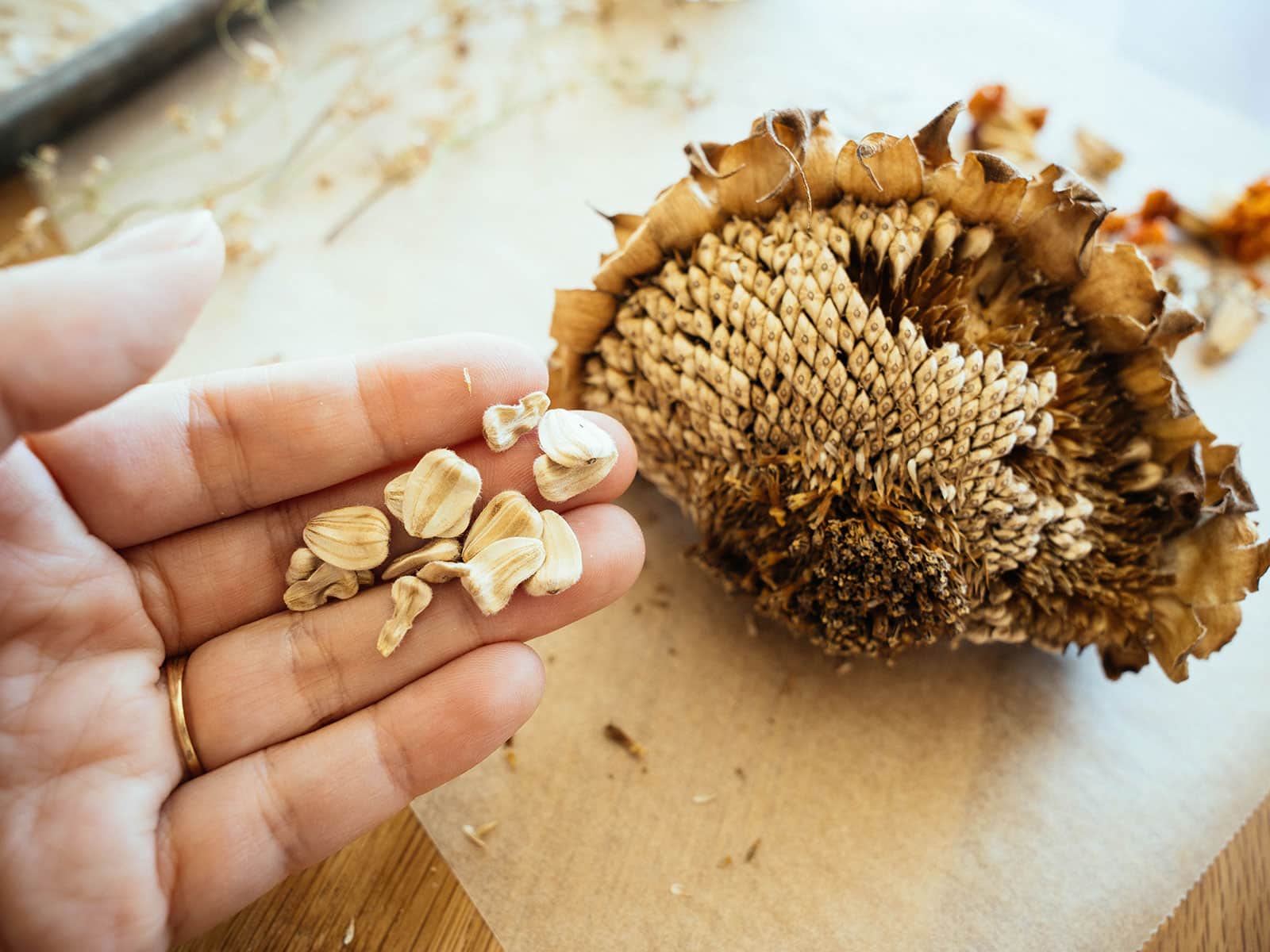
For plants like beans, peas, tomatoes, peppers, cucumbers, melons, squash, dill, cilantro, nasturtiums, marigolds, sunflowers, and calendula, you never have to buy seeds again unless you want to try something new.
Here’s a guide I wrote on exactly how to save seeds to maximize your harvests the following year.
2. Your local seed swap group (free)
Your local gardening club, Facebook gardening group, or extension office likely hosts seed swaps or seed exchanges each year. This is a great way to meet other gardeners, trade tips, share an abundance of seeds, and score seeds for plants that other people have grown successfully in the same climate.
Seed swaps usually take place in spring in a park, public library, or other public meeting place. Anyone can show up with extra or unwanted seeds they may have, and everyone gets to go home with new seeds they want to try. Sometimes you’ll even find free cuttings or plants at these events.
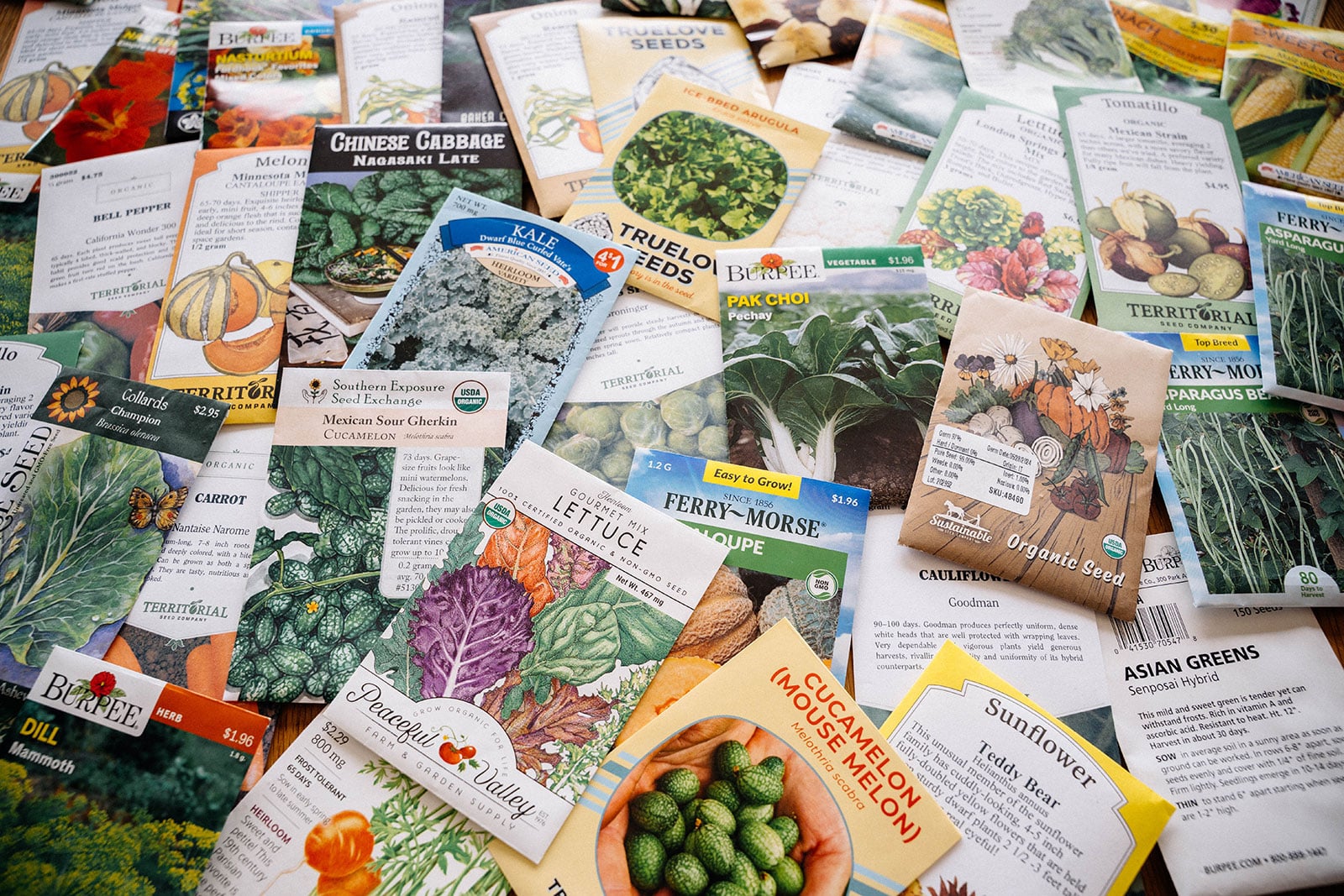
The best way to find upcoming seed swaps (if you’re not already part of a group) is by contacting your local library or extension office, searching Facebook events in your area, or checking the event listings in your local paper.
3. Your local library’s seed bank (free)
Some public libraries offer seed banks, seed depositories, or seed lending libraries, and they’re a community treasure! Unlike seed swaps, you can visit a seed library year-round.
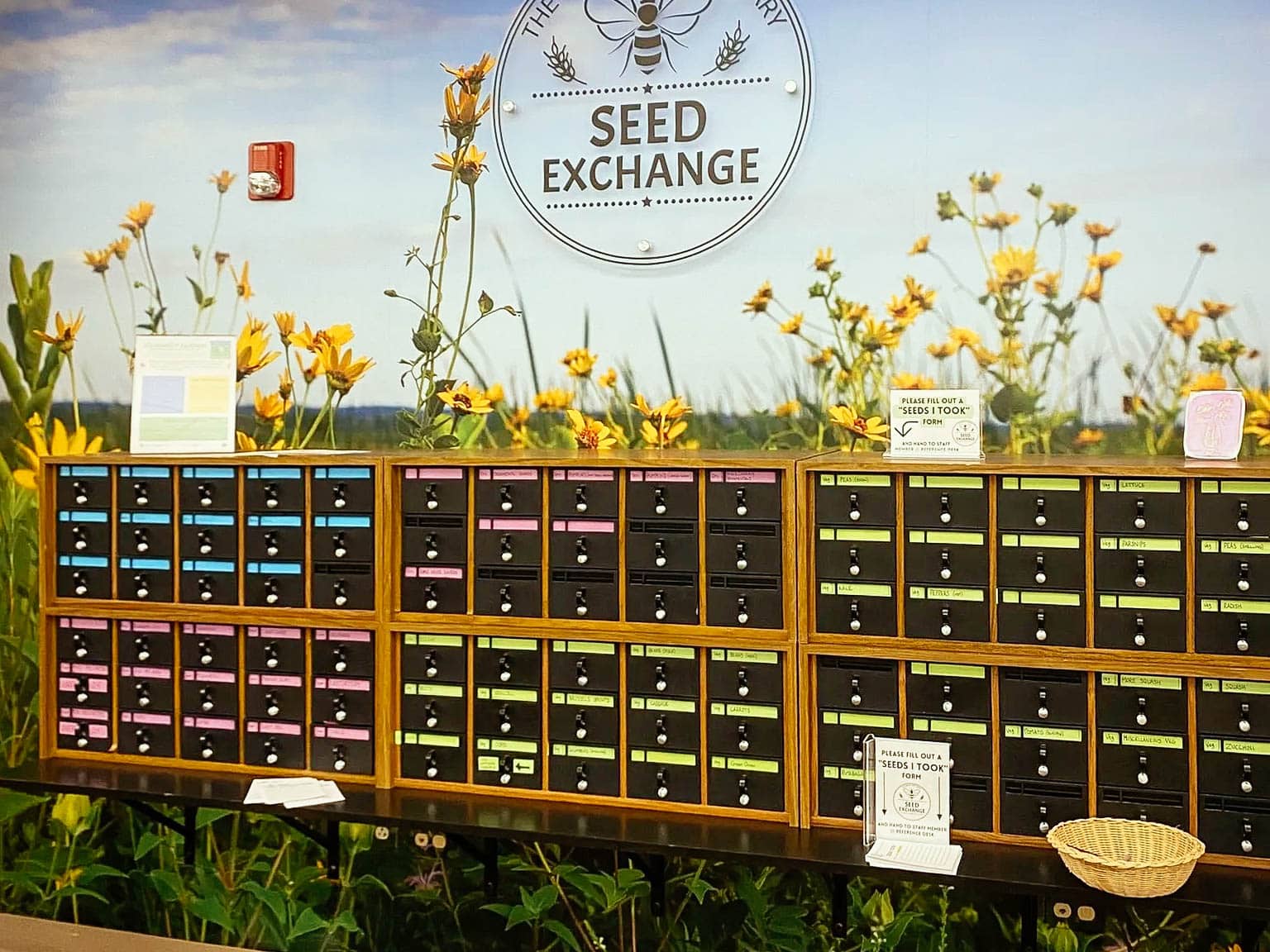
The concept behind seed libraries is to build a publicly accessible, sustainable collection of seeds adapted to a particular area. You browse what’s available, “borrow” seeds for your garden, grow the plants, then collect some seeds at the end of the season to return to the library.
4. Little Free Seed Library (free)
You know those Little Free Libraries you see around town? A Little Free Seed Library is the same concept, only it’s filled with seeds! You can take some seeds or leave some seeds, or enjoy browsing what others have shared.
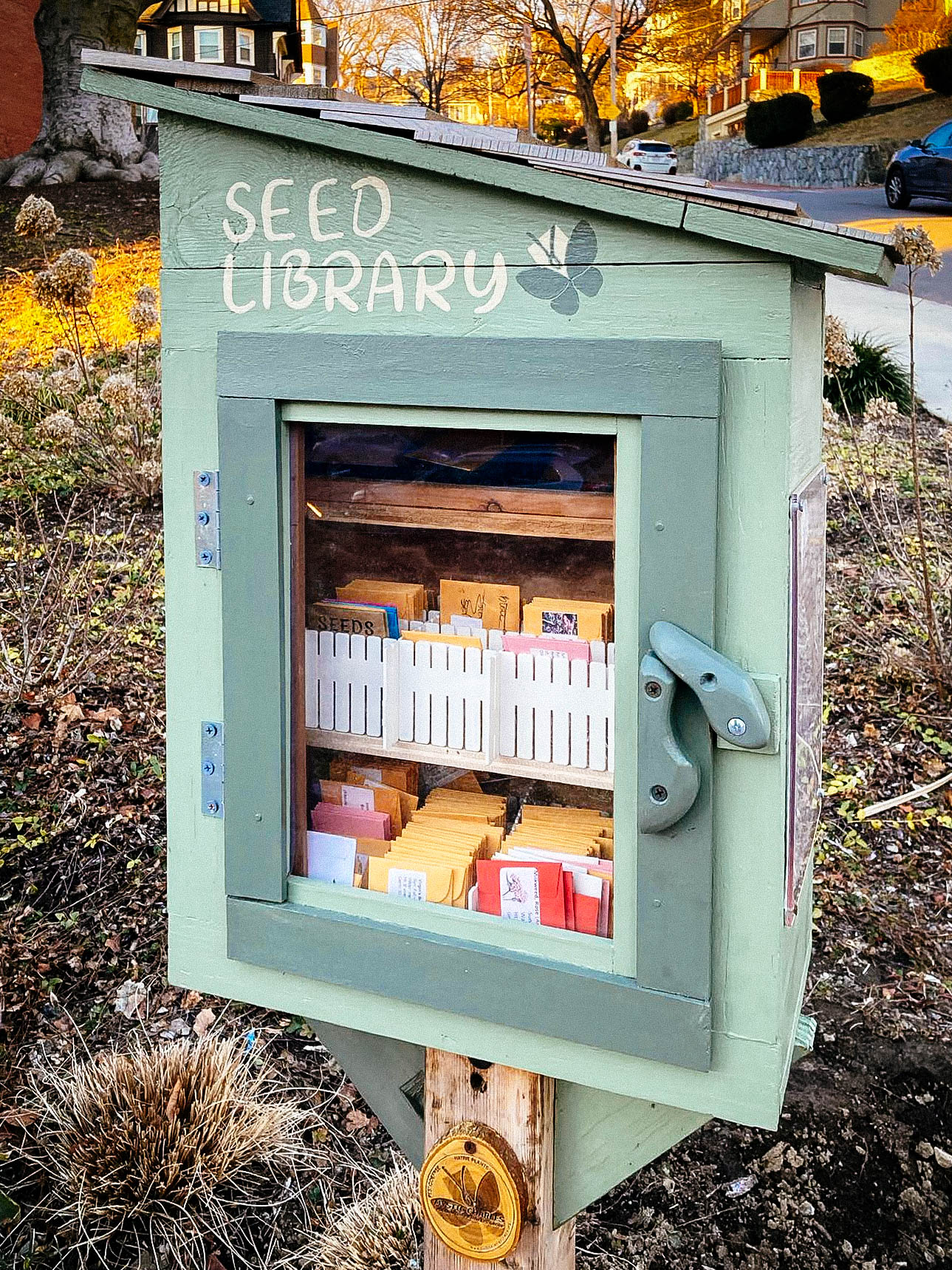

Finding one in your neighborhood can be a little tricky, and I’ve only come across them by chance. But when I do… it’s a really fun surprise!
My suggestion: join a local gardening group (in person or on Facebook) since many gardeners are happy to share the location of their seed libraries. You can also ask your local Buy Nothing group, post the question on Nextdoor, or search for a seed savers club in your area.
Or, maybe this will inspire you to start your own Little Free Seed Library!
5. Grocery store produce (almost free)
Although you still need to buy the produce, you can stretch your dollars a bit further by saving some of those seeds and trying your luck at growing a few plants from them. (You might have had this idea already if you’ve ever gotten tons of volunteer mystery seedlings in your compost pile.)
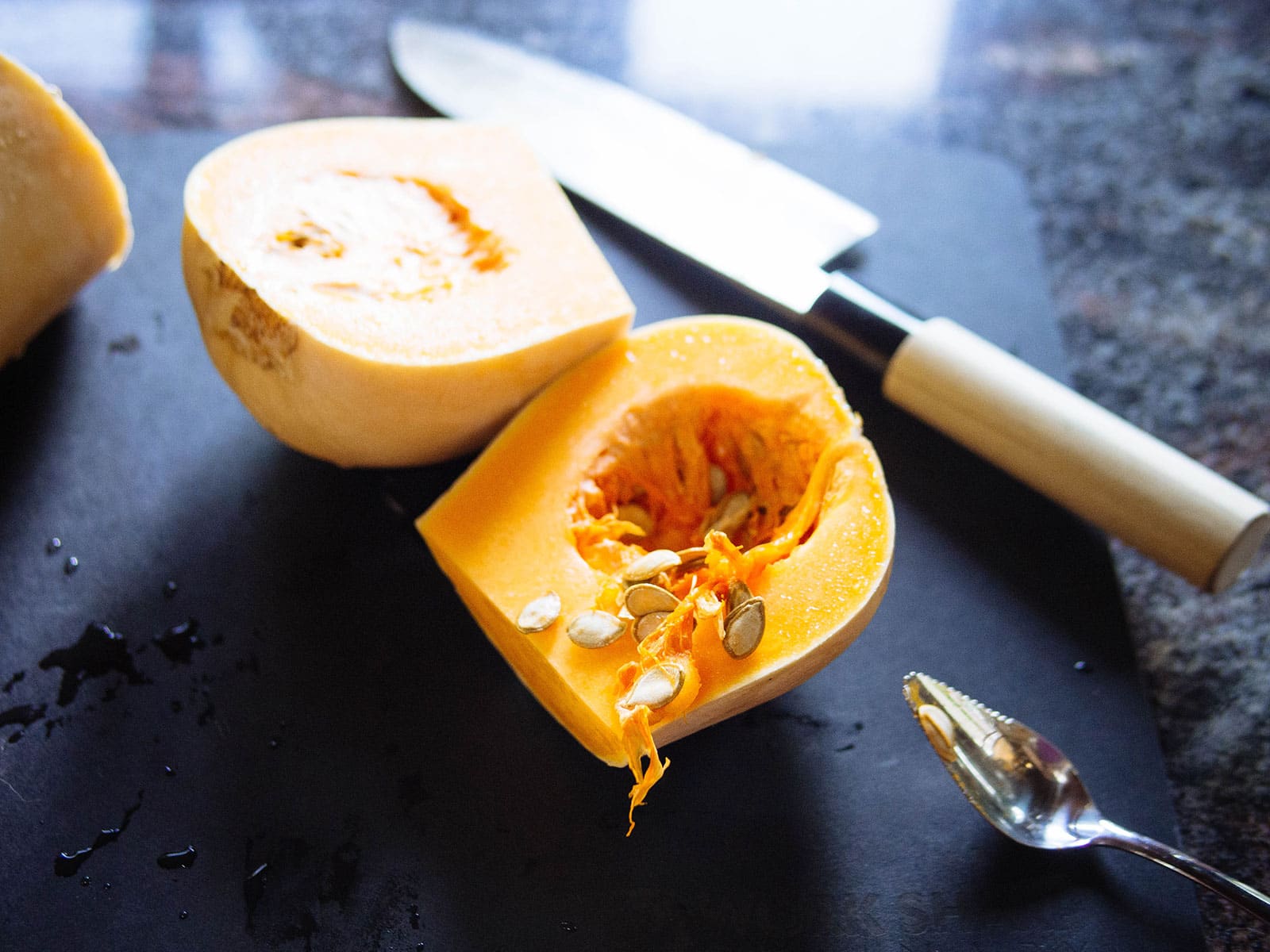
I’ve had the most success growing fruits and vegetables from the following groceries:
- Melons
- Tomatoes
- Peppers
- Cucumbers
- Butternut squash
- Pumpkins
You can also grow strawberry plants from strawberry seeds (a good way to salvage overripe berries), though they typically won’t fruit until the second year.
The drawback to this method is not knowing the cultivar of what you’re sowing. Since many commercial varieties are F1 hybrids, their seeds may yield very different plants than what you originally bought (as far as colors, sizes, or flavors). If you’re okay with a little experimentation, it’s worth a shot!
6. End-of-season sales at big-box retailers ($0.25 to $1.50)
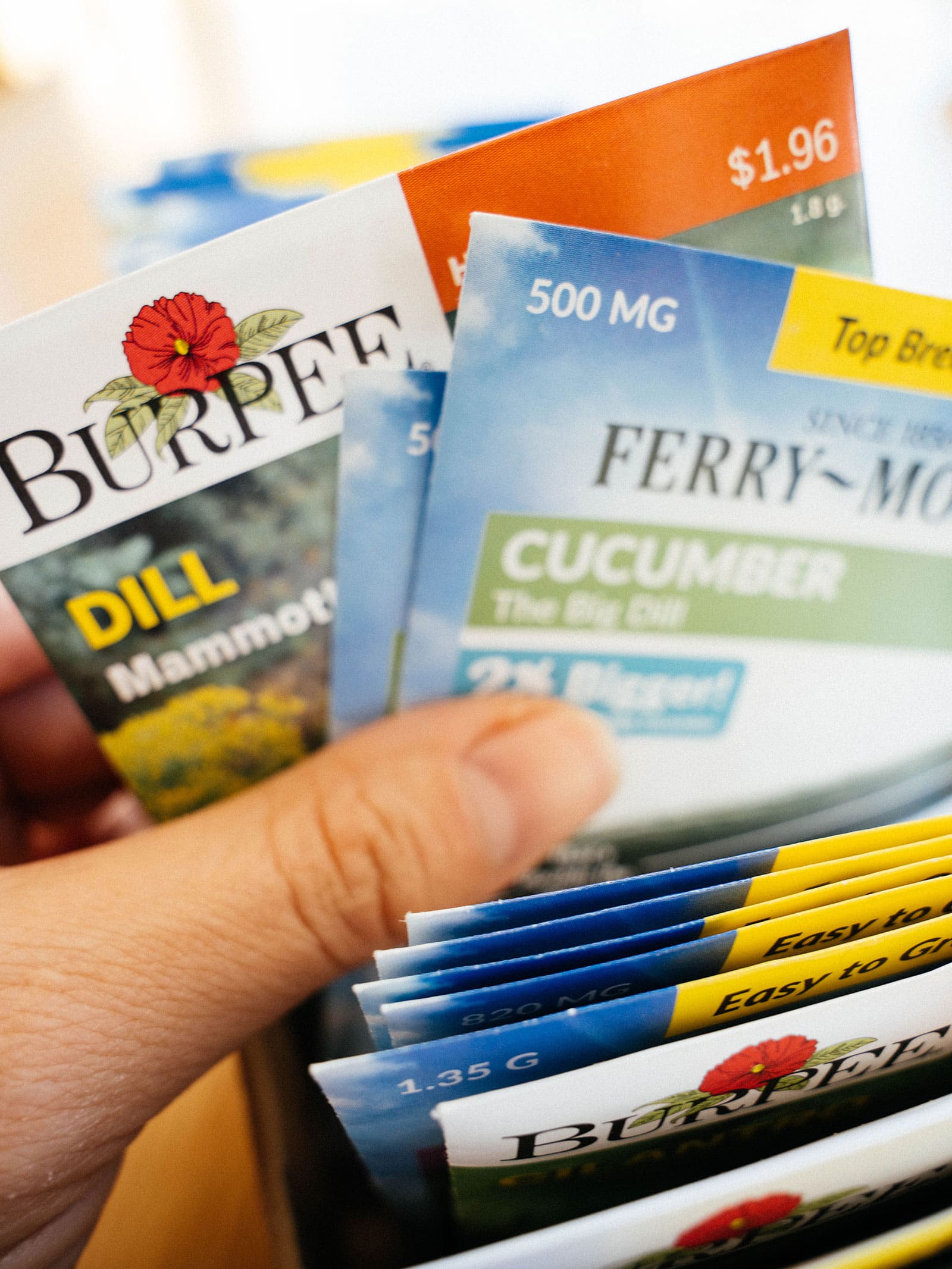
During peak growing season, superstores, home improvement stores, and discount retailers like Target and Walmart all have large displays carrying seeds from brands like Burpee, Ferry-Morse, and American Seed.
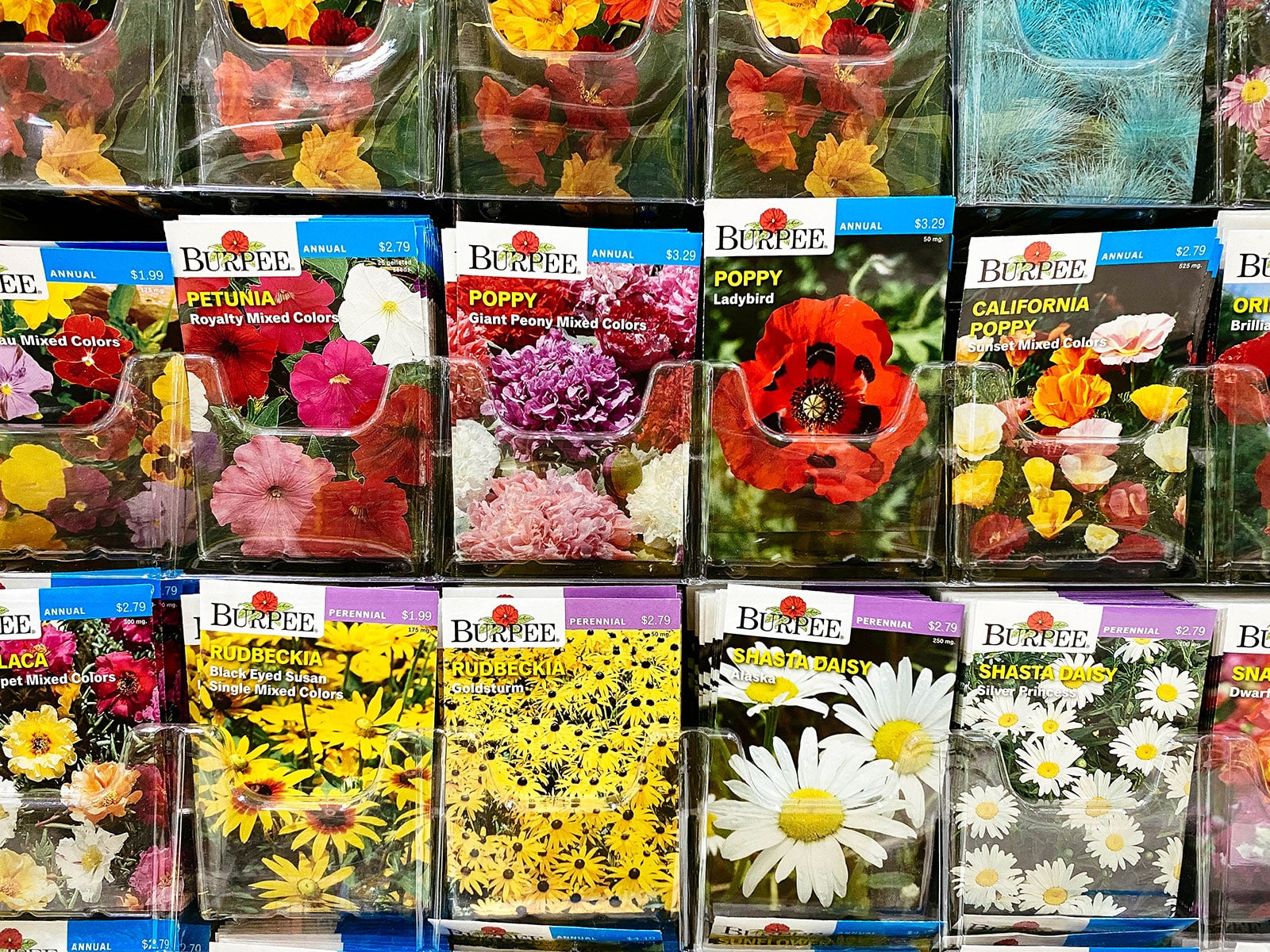
For the most part, these seeds are reasonably priced; I can find American Seed packets for 50 cents each or a pack of Burpee seeds for $2 to $3.
But… if you hold out until the end of summer, those seeds go on clearance and you can score some very good deals, as little as 25 cents per pack! The selection’s more limited, but I find end-of-season sales to be the ideal time for stocking up on garden staples like lettuce, arugula, carrots, beets, and radishes, since I rarely let these crops go to seed in my garden.
7. Your local dollar store ($1.25 for 4 packets)
If you happen to be near a Dollar Tree, Dollar General, or other dollar store in spring… run, don’t walk, to their seed display! Mine always sells out quickly when it brings out its inventory of seed packs each week.
Dollar stores carry a decent variety of flowers, herbs, and vegetables from American Seed, and I admit that I used to be skeptical.
Does the (very affordable) price correlate with quality?
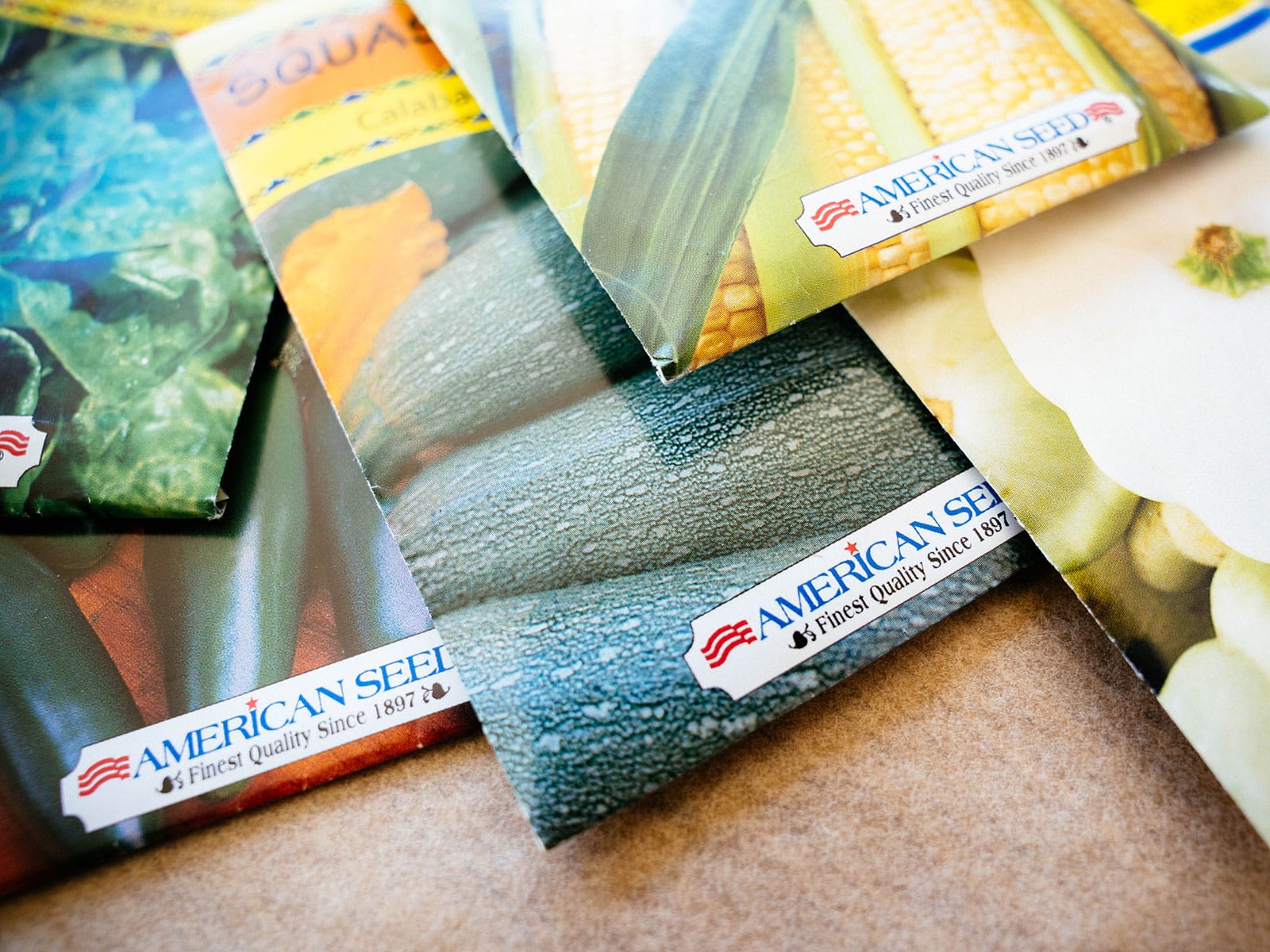
Happy to say, I’ve started hundreds of healthy seedlings from dollar store seeds and found they have excellent germination rates (often 100 percent). Many of the plants that self-seed freely in my garden (like cilantro, bachelor buttons, zinnias, and marigolds) came from dollar store seeds, making the original purchase an even better deal.
You don’t get as many seeds in an American Seed pack as you would in, say, a Botanical Interests packet, but for the price they’re absolutely worth it.
Dollar stores are great places to pick up a few basic gardening supplies too—and most of them are not in the gardening aisle!
8. MIgardener ($1.00 to $2.00)
MIgardener might be a familiar name if you follow gardening content on Youtube. The channel teaches people how to grow their own food and the brand has grown into an online store, a brick-and-mortar store, and its own line of seeds.
The regular price of $2 is fair given the amount of seeds in each packet, and it’s a good way to go if you have a small garden or want to experiment cheaply. MIgardener carries a wide range of standard varieties (like Scarlet Nantes carrots and Bloomsdale spinach) as well as more distinctive varieties (like Black Nebula carrots and Egyptian spinach).
If you can wait until the end of summer, MIgardener sells grab bags at 50 percent off to clear out inventory, so the deals get much better at $1 a pack!
Free seeds for nonprofits
If you work or volunteer at a school, church, library, food pantry, prison garden, community garden, or other educational or nonprofit organization, you can get seeds for free each year!
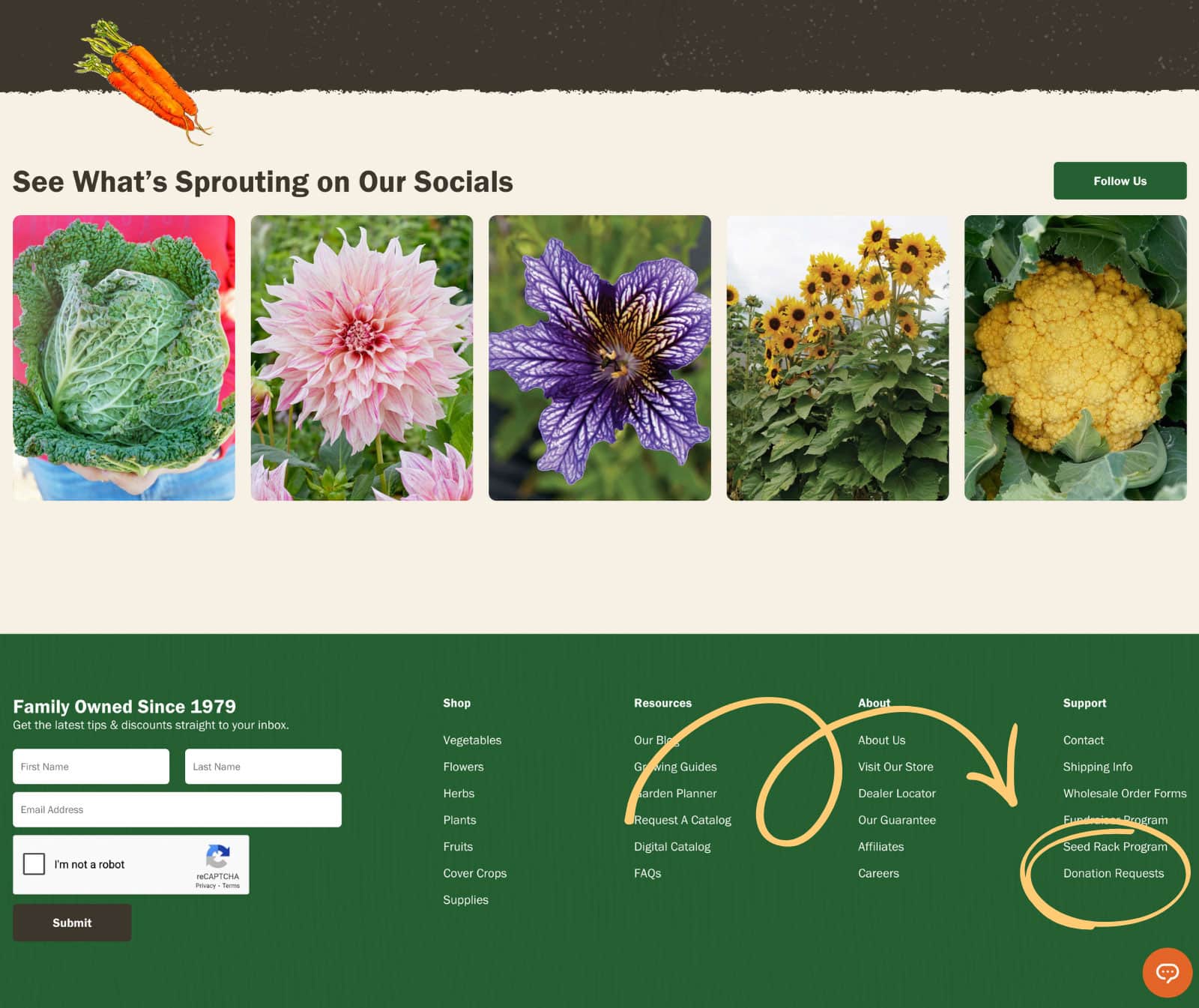
Many of the seed companies I support have donation programs where they send the current year’s (or last year’s) extra seeds to eligible nonprofits. This is how I request (and receive) dozens of seed packets for my kids’ school garden every year, and all it takes is a simple form submission or a letter describing what we do in the garden.
It’s a grab bag, hodgepodge, mishmash of different seeds (whatever’s left at the end of the season), but I’ve gotten as many as 200 packets of free seeds from one company before! Some companies may ask you to pay shipping, while others cover the cost.
Another way to score free seeds is to contact your local home improvement store or garden center and ask if they donate unsold inventory at the end of the year. You can email the store, but I find that walking in and chatting with a manager tends to have the most impact.
Local businesses prioritize their communities when making in-kind donations, so it’s worth the effort to form these relationships in person if you can. Go in with your tax ID number, and even if the business doesn’t have seeds to donate, you may be able to get a nonprofit or educational discount.
Pro tips for getting the best deal on seeds
As a lifelong bargain hunter, I’ve learned that the lowest price doesn’t necessarily mean the best deal. You have to look at what you’re getting. Although it may not be worth the effort if you just need a few packets of seeds, the savings really add up with big purchases or big gardens!
Compare seed quantities
Cheap seeds may not be that cheap if you have a larger garden.
Take, for example, beefsteak tomatoes: MIgardener sells a pack of 25 seeds for $2, while Peaceful Valley sells a pack of 50 organic seeds for $4.
If you start dozens of tomato seeds each year, and those seeds will last at least five years, the cost savings is a wash.
Not only that, Peaceful Valley runs sales throughout the year and you can often find those same beefsteak tomato seeds for just $3! So shop around during peak promotional periods like holidays, late winter, and late summer to score some good deals.
Check bulk pricing for seed deals
Let’s use lettuce in another example for quantity vs. price.
True Leaf Market sells a 2.5g pack of gourmet mixed greens for $3. The next size up (1oz) is $9, which seems like a big jump. But considering there are 28 grams in 1 ounce, you’re getting 11x more seeds at only 3x higher cost.
If you like to scatter lettuce seeds over the soil, succession sow every couple of weeks, and harvest baby greens from April through November, the larger packet ends up being a better buy. (Lettuce seeds also last about three years in storage, so they’re unlikely to “expire” if you don’t use them all the first year.)
Consider the longevity of the seeds
Seeds with short lifespans are generally the best seeds to buy on the cheap.
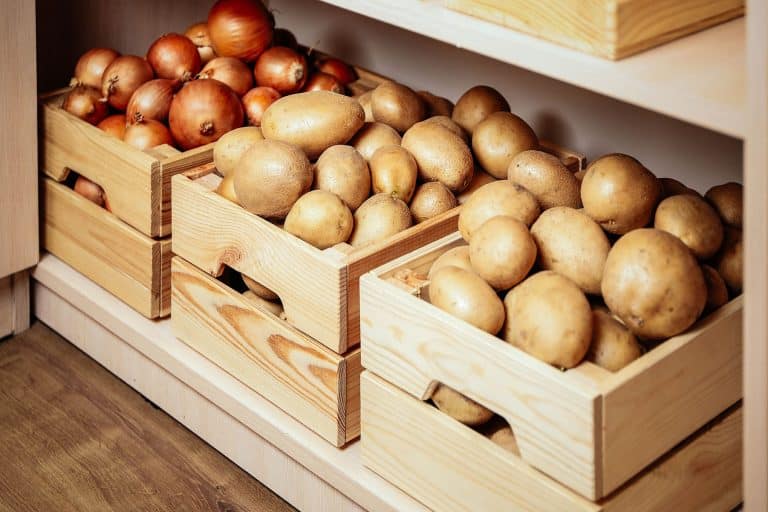
Onion and parsley seeds, for example, start to lose viability after one year, so why spend more money if you won’t use them all? Sweet corn and cilantro seeds become less reliable after two years, so are they worth a premium price?
Unless you’re looking for special varieties, you can raid the clearance section or trade other gardeners for these short-lived seeds. (Use the money saved to splurge on an interesting new basil or cucumber, whose seeds remain viable for at least five years.)
Check how long seeds last in storage with this handy cheat sheet.
Do you have other tips (or sources) for getting free or cheap seeds? Please share in the comments!
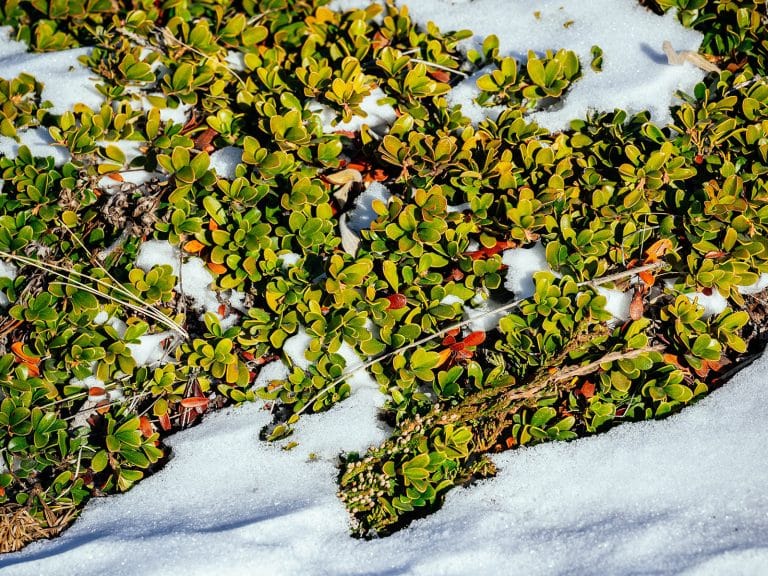


I am interested in getting Bunchberry (Cornus canadensis) and Dwarf periwinkle (Vinca minor) under some Red Pines in St. Paul, MN. Do you know of a good source for these?
Hi Jerry,
There are links to the ‘fast-growing-trees’ website in Linda’s article ‘The best fast growing trees for privacy’. (Look in Garden Betty’s tree and shrub section for the article) They have Vinca Minor Periwinkle in stock and on sale with 20% off until 2/9. If you’re not ready to order or miss the sale, sign up to Linda’s emails; she sometimes sends out a discount coupon to her subscribers for that website.
Good luck!