


It always surprises me when I see my neighbors’ yard waste bins filled to the top with plant debris. A lot of the things considered “waste” can actually be put to good use around your yard!
And not all of it has to be composted. I’m guessing that most of us don’t have endless space for multiple piles of compost to do their thing, but luckily—and with a bit of creativity—you can repurpose yard trimmings in a lot of different ways every season.
Here’s how I like to manage my garden scraps so I can minimize the amount of debris that ends up in the landfill.
Disclosure: If you shop from my article or make a purchase through one of my links, I may receive commissions on some of the products I recommend.
1. Leave grass clippings on your lawn.
Are you still bagging up grass clippings and hauling them to the green waste can? Save time (and money) by returning clippings to the lawn as a soil conditioner. Simply set your mower to the tall setting so the short clippings fall into the lawn more easily.
According to MU Extension, grass clippings contain about 4 percent nitrogen, 2 percent potassium, and 1 percent phosphorus and can provide up to 25 percent of your lawn’s total fertilizer needs. Besides adding nutrients to the soil, grass clippings also improve soil structure and feed soil microbes as they decompose, keeping your turf healthy.
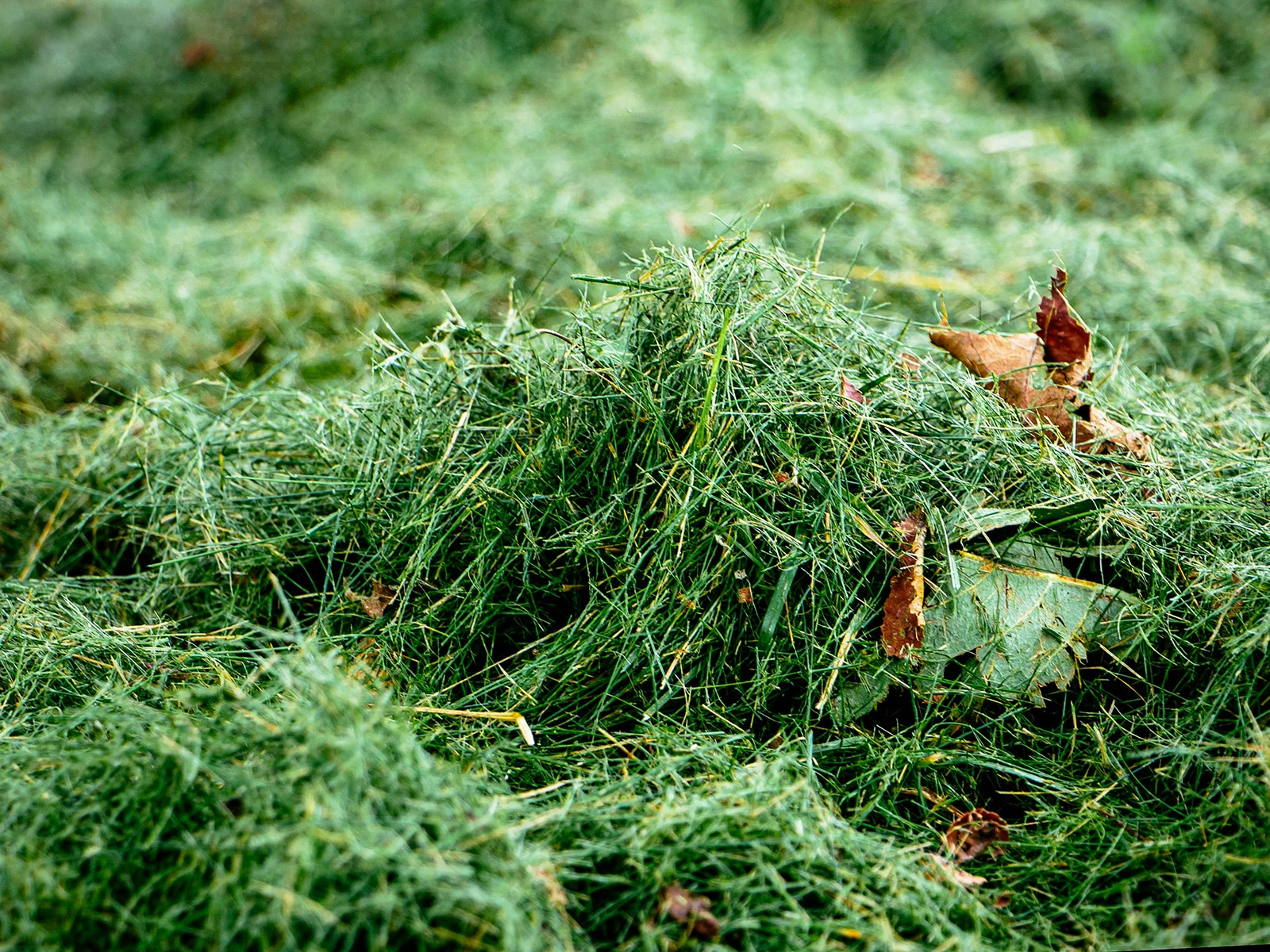
That said, there can be too much of a good thing. You don’t want to leave thick piles of long grass clippings all over the lawn after you mow; excessive amounts will damage the lawn by dramatically reducing air and water exchange.
Aim to mow more than once a week from spring to early summer when growth is most active, as this will produce short grass clippings that benefit the lawn (not to mention your lawn will be easier to mow when it isn’t overgrown). Once growth slows down in late summer, you can mow less often.
Note
Should you collect grass clippings to use as mulch in your garden beds? If you manage your lawn organically, then you sure can! But if you use herbicides to get rid of weeds, I don’t recommend repurposing those grass clippings elsewhere. Lawn herbicides are formulated to target broadleaf plants, which can affect your flowers, herbs, and vegetable crops.
2. Use twigs, pruned stems, and annual weeds (that haven’t gone to seed) as mulch in your garden beds.
This is my year-round trick for covering the soil in my garden beds, feeding my plants, and minimizing the amount of clean-up I have to do every season. When I prune my tomatoes or pull errant weeds, I simply drop them on the ground to mulch other plants.
Perennials and overwintering crops get the same treatment with a few inches of (clean) plant debris layered on top to protect the crowns and roots. What do I mean by “clean”?
I don’t use plants that had severe pest damage or diseases, as they’ll likely return in spring. (Infested or diseased yard waste should always go in the trash unless you have a hot compost pile that maintains enough heat to kill eggs/larvae or pathogens.) And I don’t use spent plants that went to seed unless I’m okay with volunteers the following season.
I usually use a pair of hedge shears to coarsely chop up thicker plant material (like tomato vines and zucchini stems) but leave other things (like rhubarb leaves and onion trimmings) whole, as they tend to decompose quickly. They’re left in place over winter and whatever hasn’t broken down by spring is simply pushed aside when new growth emerges.
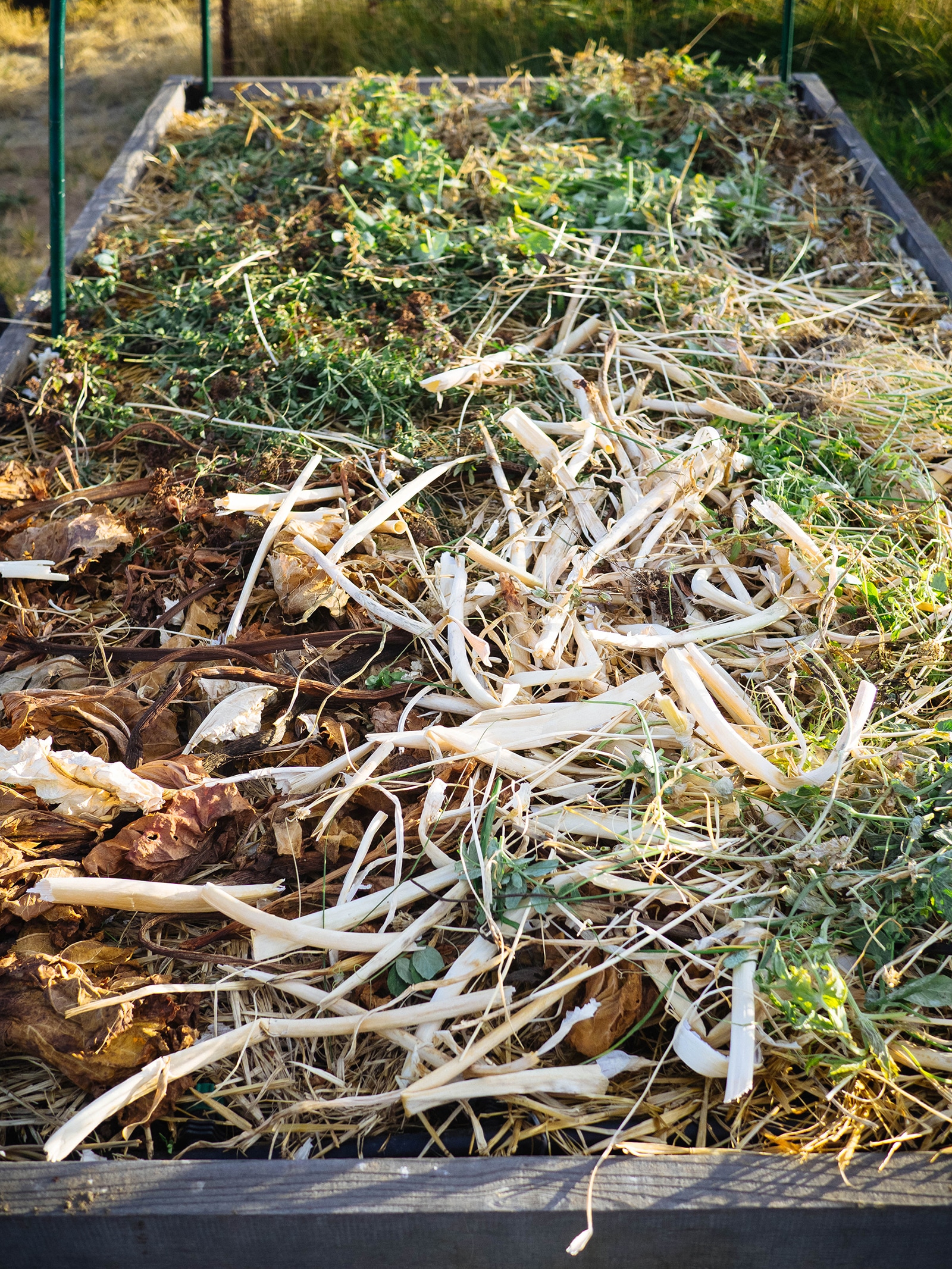
This isn’t the prettiest mulch if you’re going for a manicured look, but if you have a working vegetable garden or don’t mind a more natural landscape, using what you have as mulch (instead of hauling in outside mulch like straw) is certainly cheaper and easier.
3. Turn fallen leaves into leaf mulch.
A leaf mulcher is one of the most useful tools I own, as it allows me to turn piles of fall leaves into free mulch! I use the shredded leaves in my garden beds and also turn them into leaf mold with this simple leaf composting method (which requires no turning—not even a compost bin).
Make leaf mulch fast
Worx leaf mulcher
Turn 11 bags of fallen leaves into just 1 bag with this easy-to-use electric leaf mulcher. I also recommend this collapsible leaf bin, which fits perfectly under the mulcher to collect all the shredded leaves.
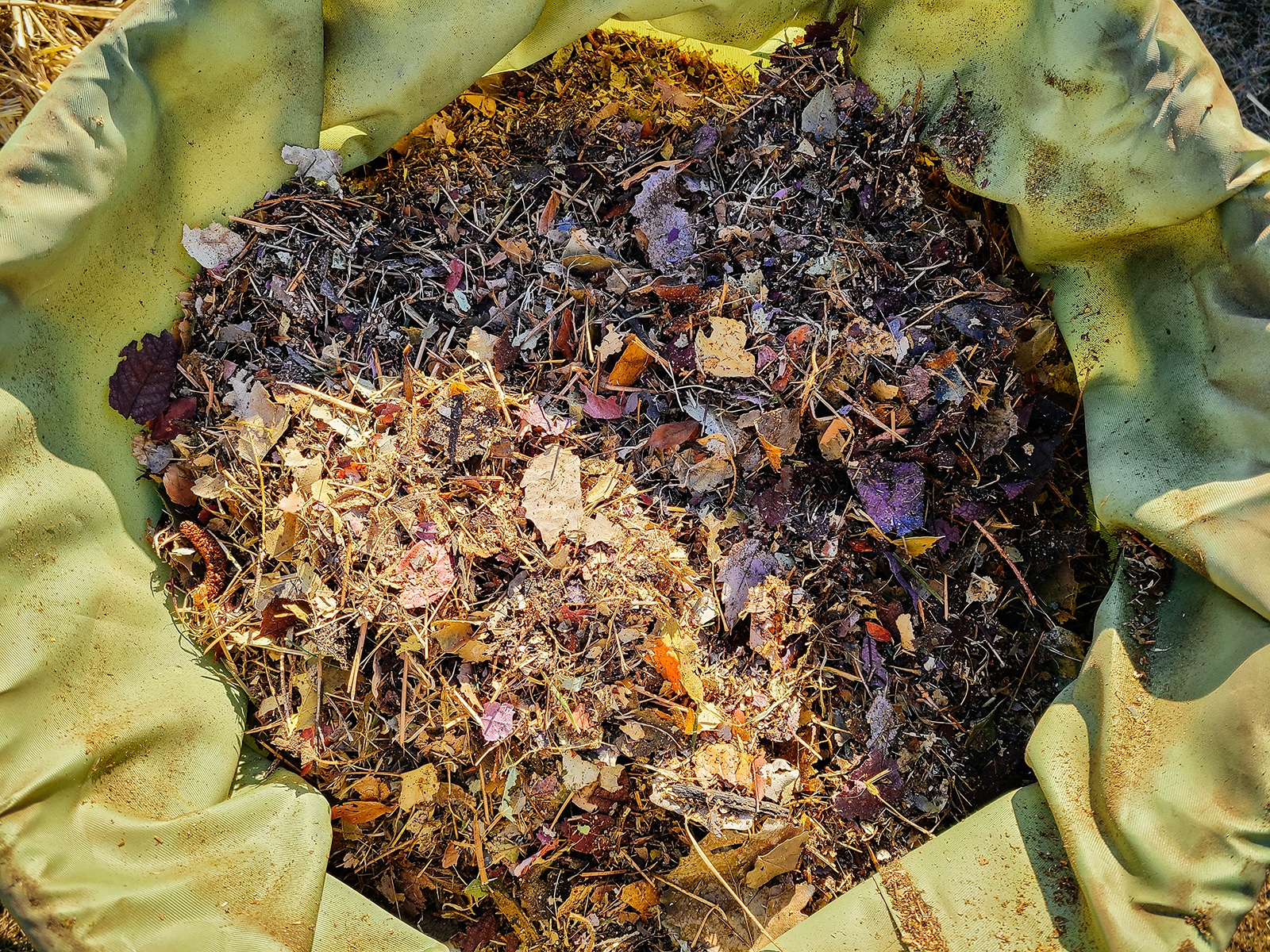
But you don’t need a dedicated mulcher to take advantage of your fallen leaves. Your lawn and landscape will benefit from the natural protection and nutrients a thin layer of leaves provides if you don’t rake it up. You can even mow over the leaves to chop them into smaller pieces so they decompose more quickly.
Dried leaves are also good to keep around if you need to balance a traditional compost pile that gets a lot of green scraps from the kitchen.
4. Turn tree clippings into wood chips.
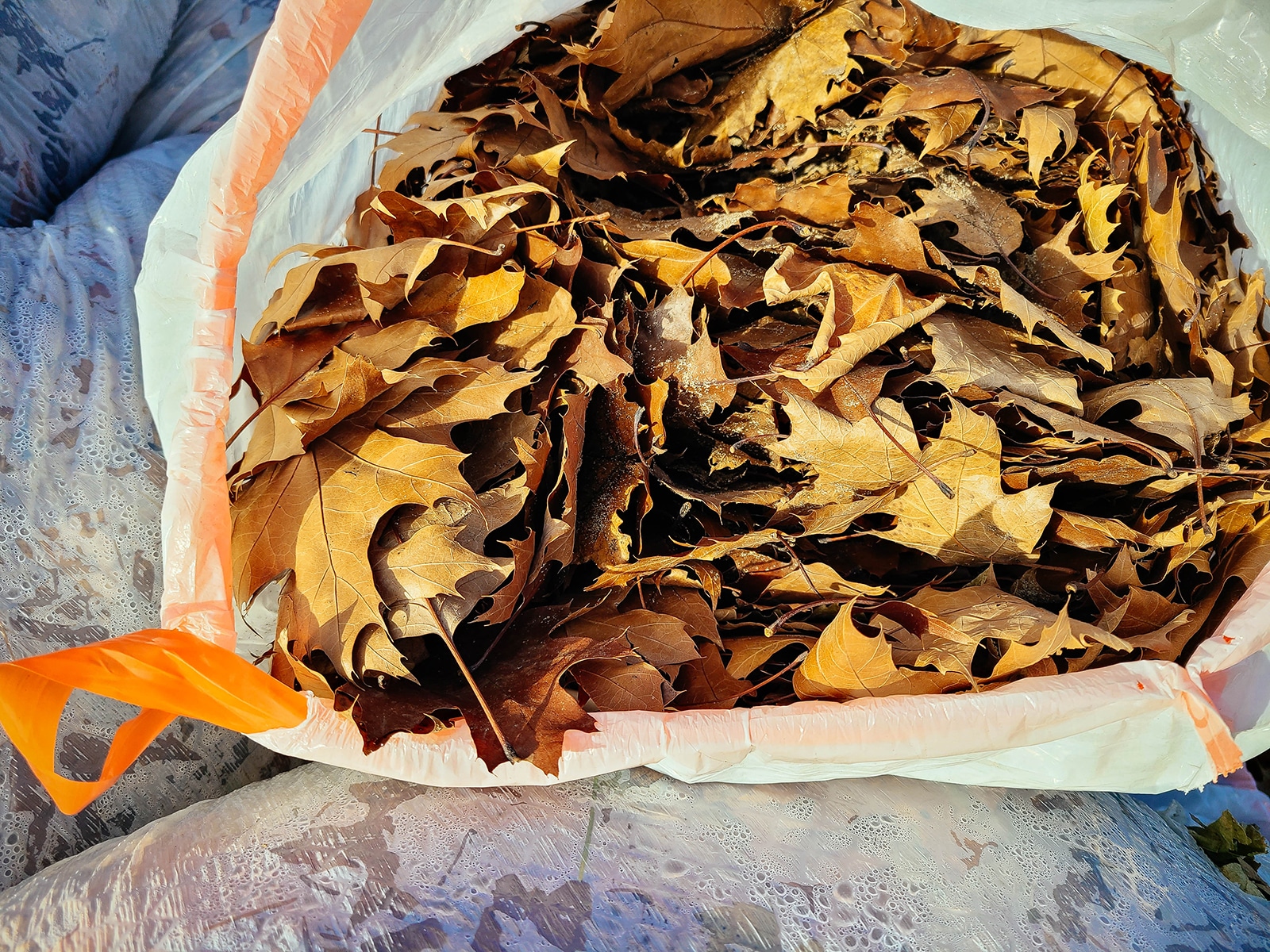
Every time a storm rolls through, we lose a few branches off our willow tree. We also end up with more branches when we prune our fruit trees in spring. All these branches get fed through a wood chipper, which easily turns all that wood on our property into mulch.
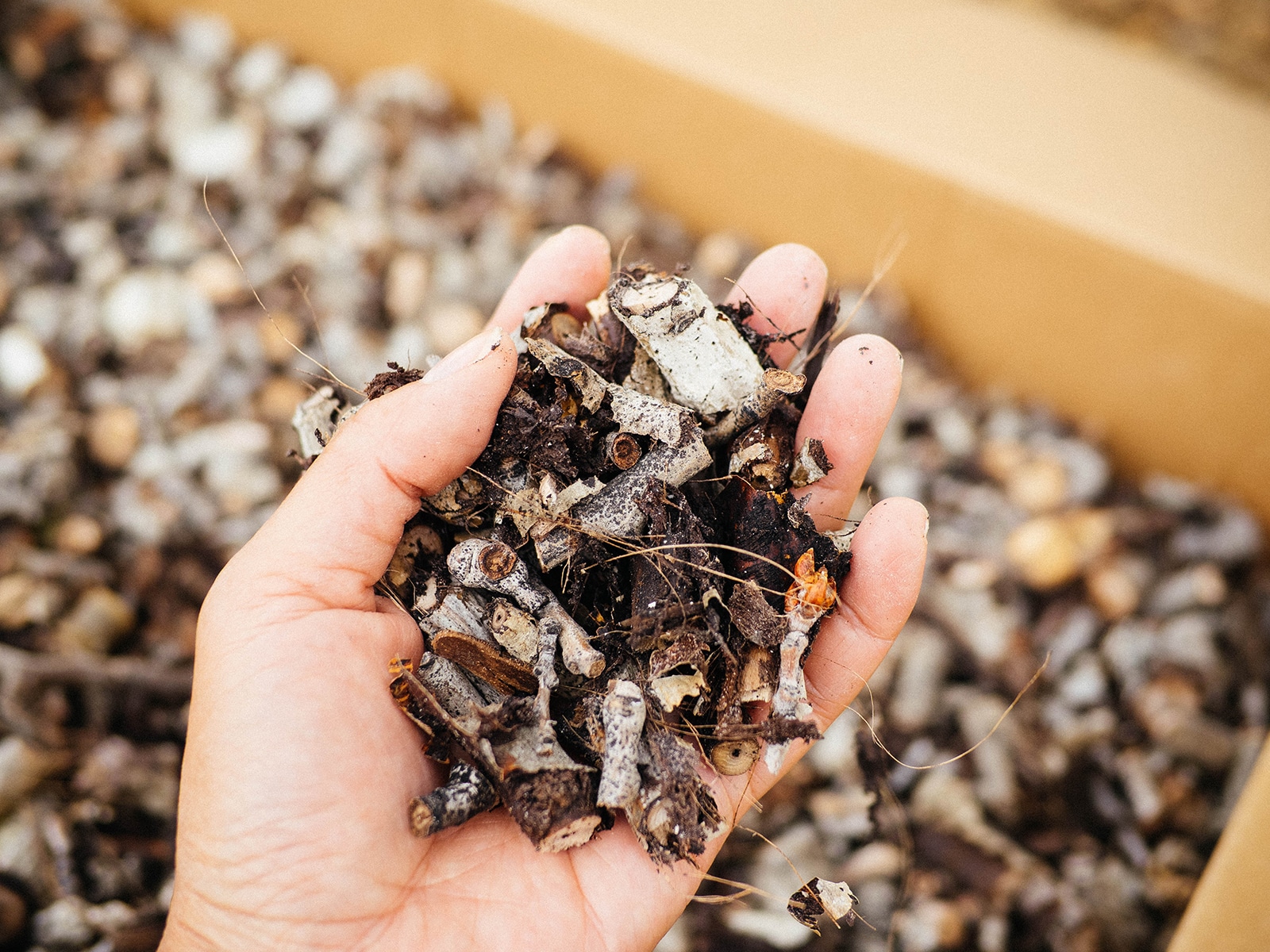
We use the chipped wood around our trees, shrubs, and other perennials and also replenish our walkways each year with our own chips.
5. Recycle branches into natural borders and plant supports.
But what if your branches are too big to go through a wood chipper? Turn them into natural borders and plant supports around the garden!
You can use branches to ring a flower bed or define the edges of a garden mound. If you’re crafty, you can turn branches into garden decor or play structures.
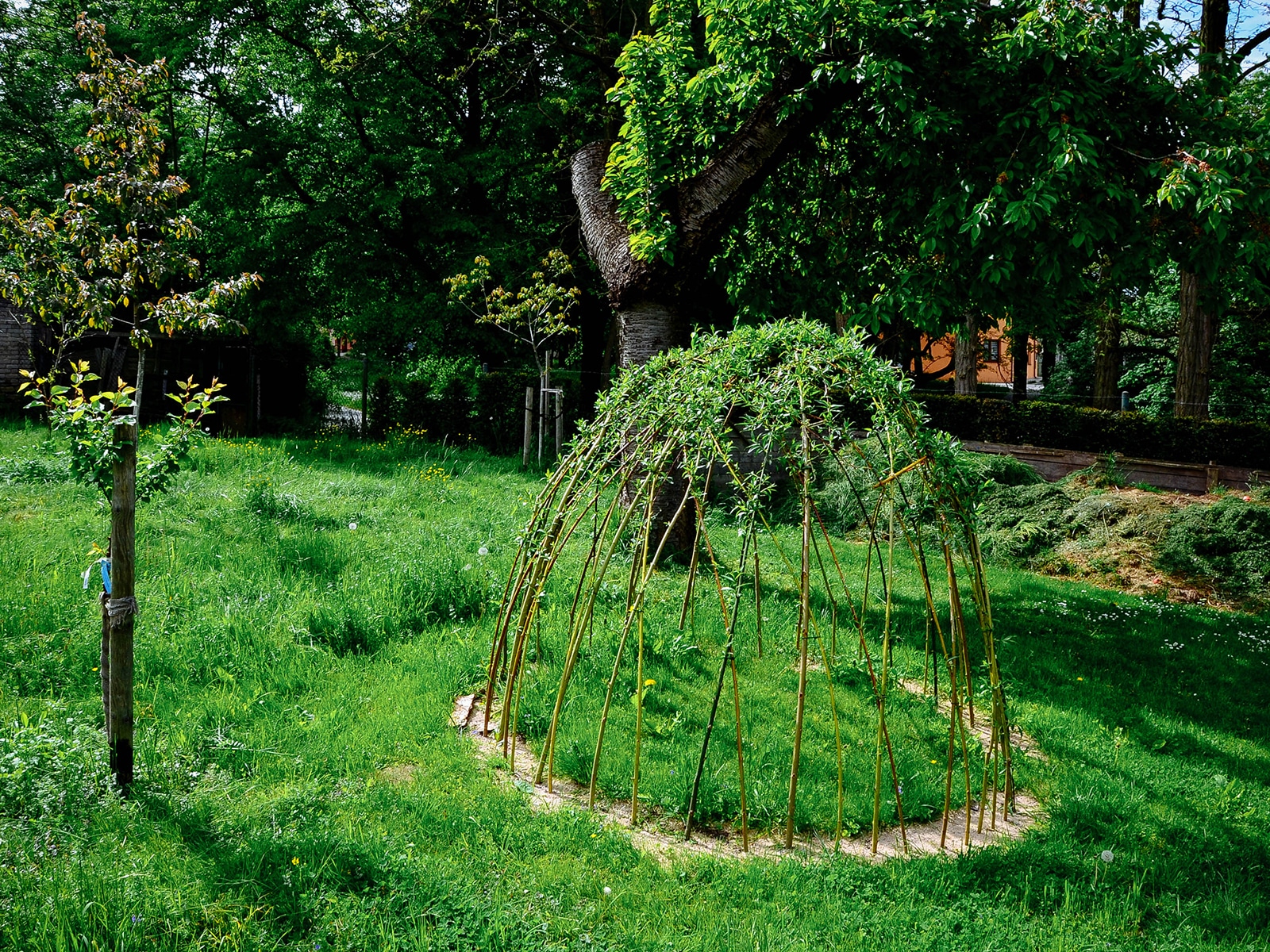
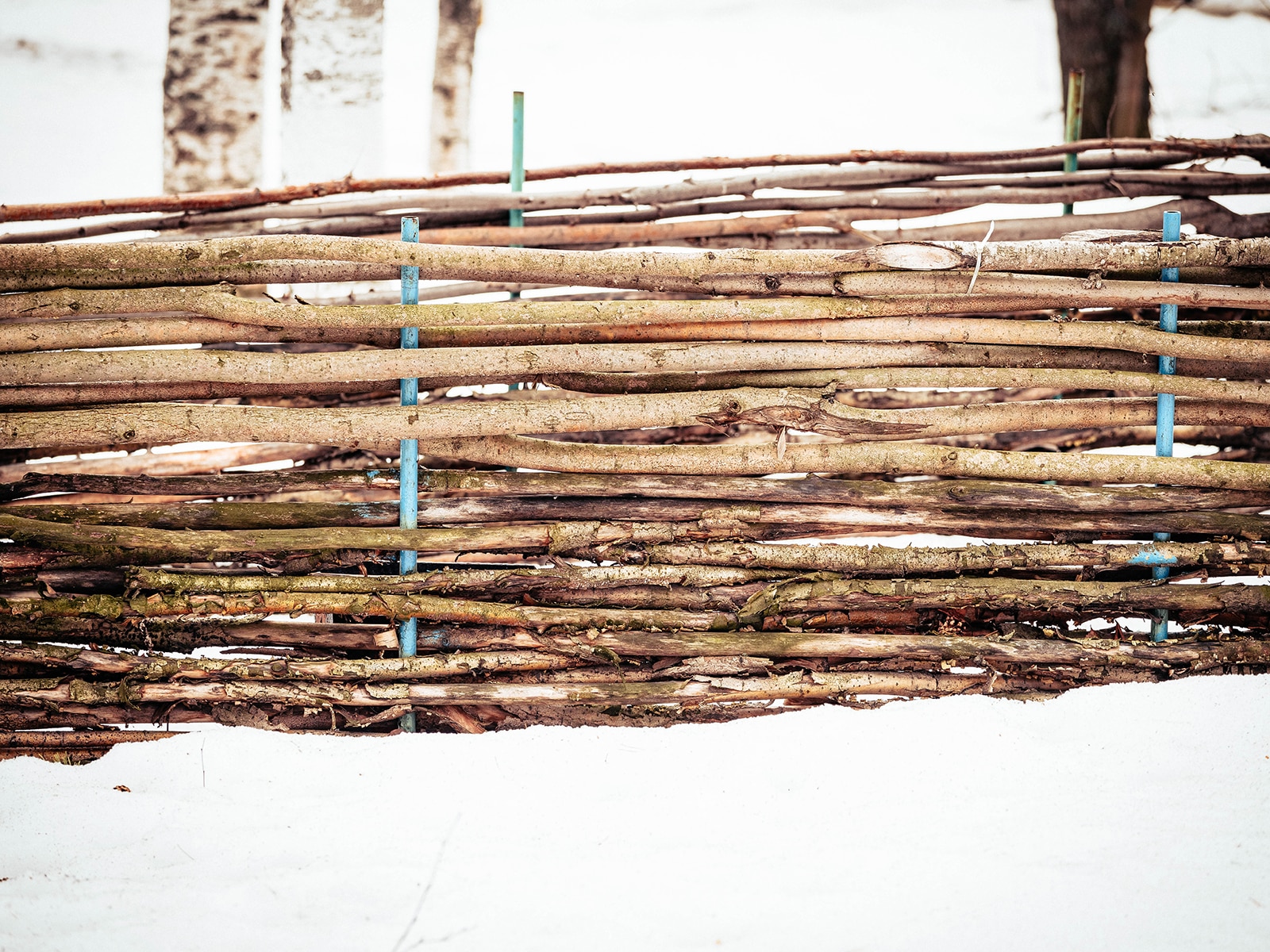
And if you’re really handy with a surplus of wood, you can weave willow branches into a decorative border or build a wicker fence for your garden.
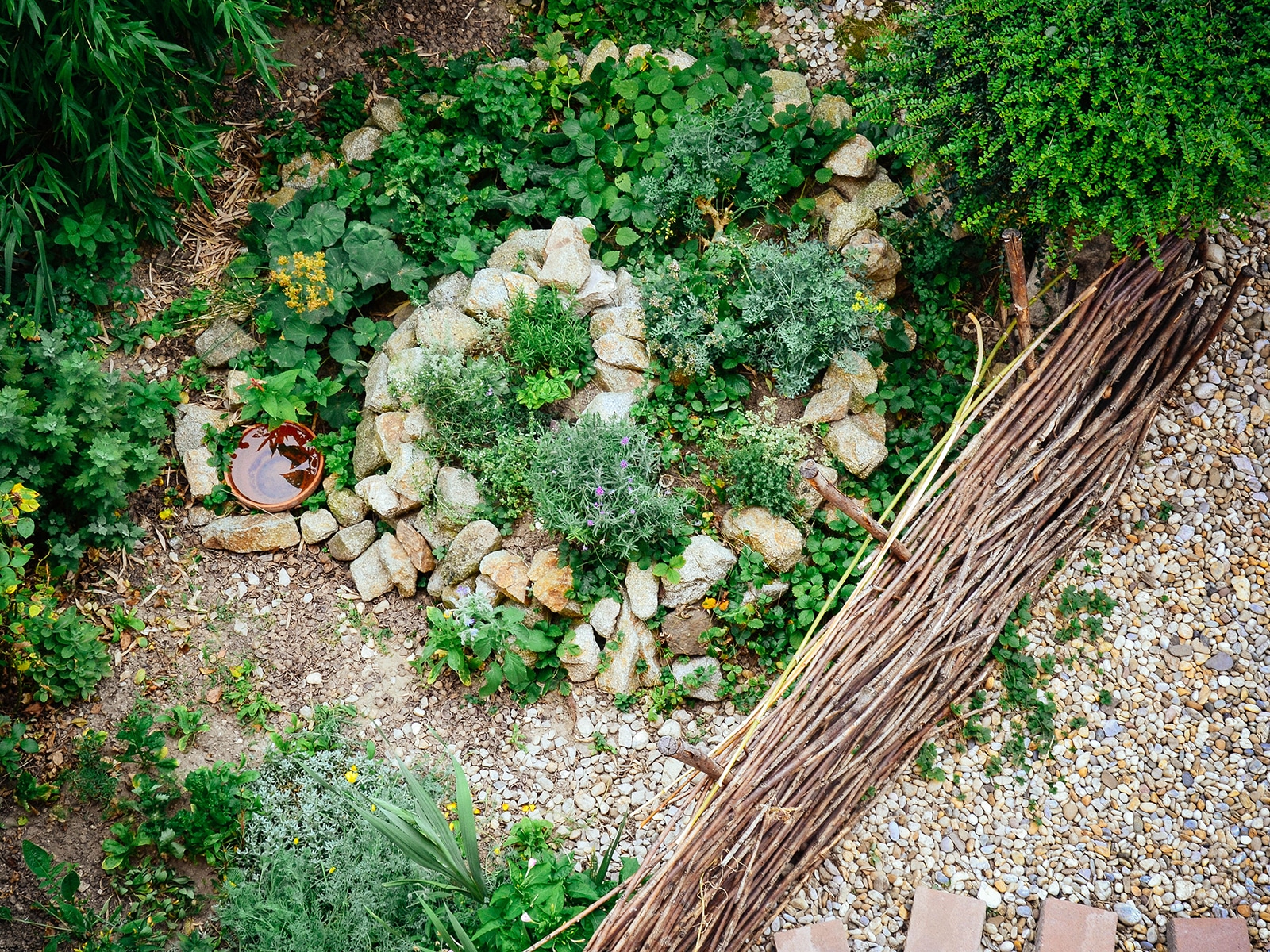
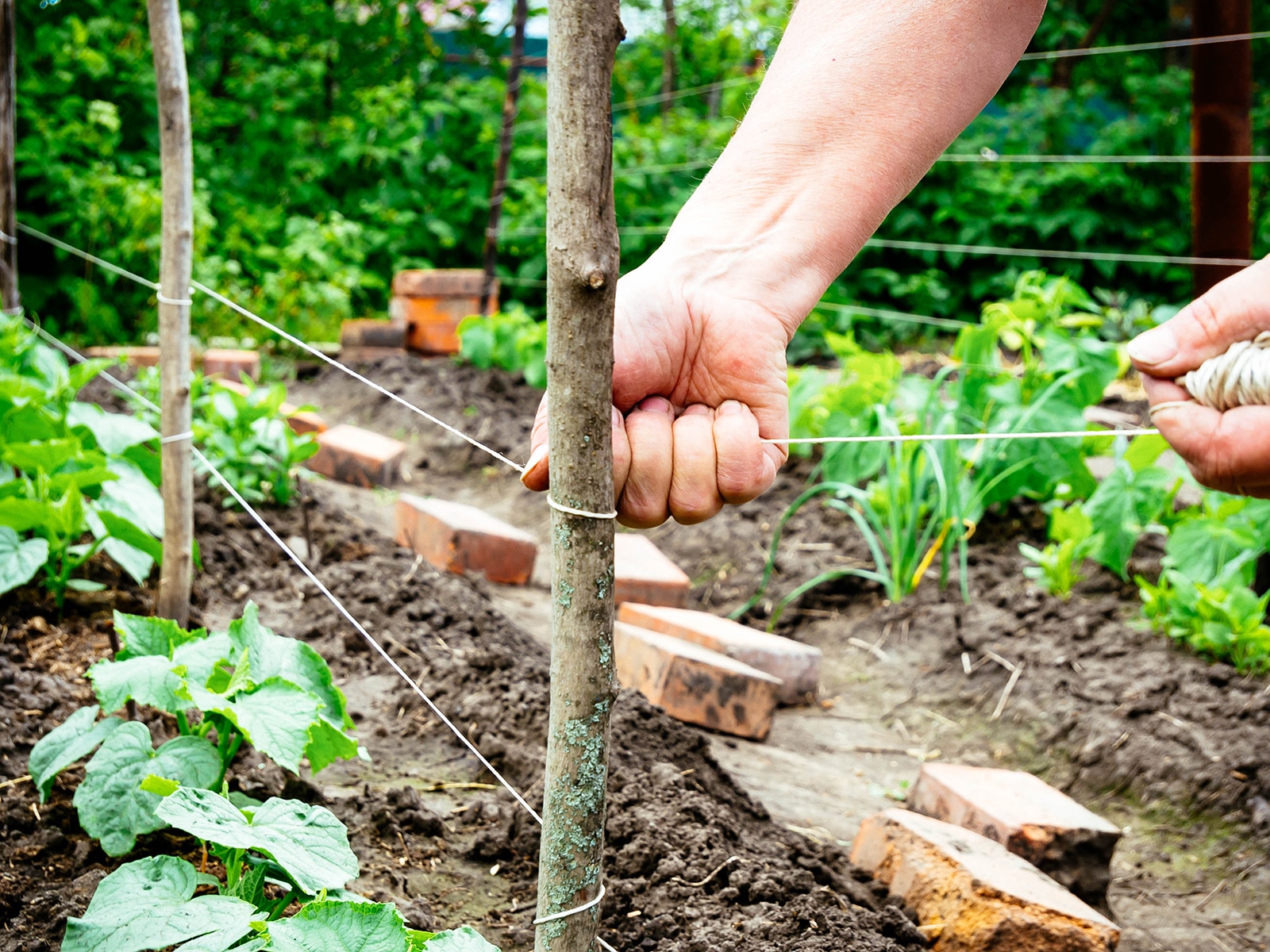
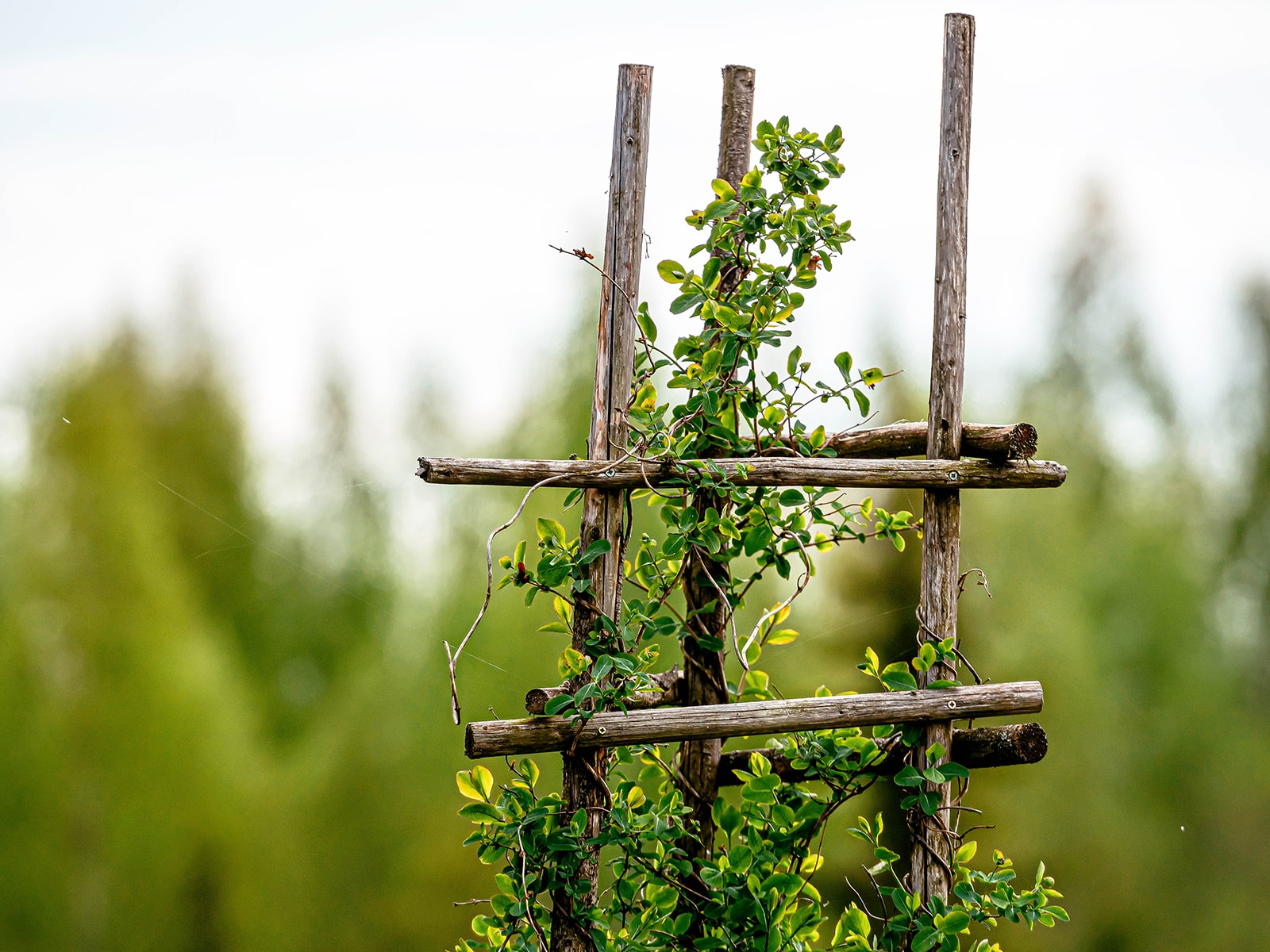
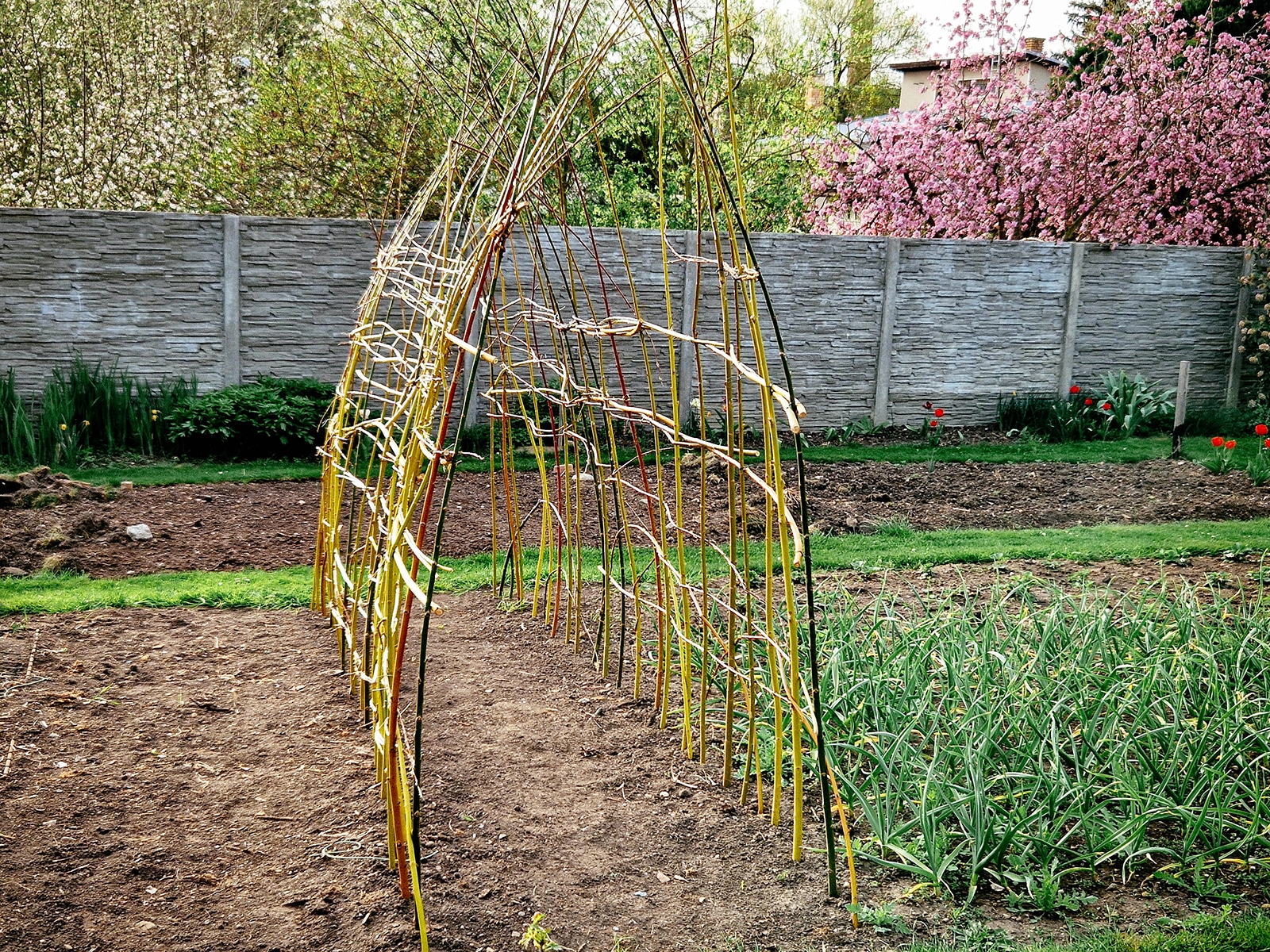
A set of straight, long branches can be pounded in the ground to support a simple string trellis. Sturdy sticks can be tied or nailed together into small structures for peas to climb. With enough branches, you can even make an arch trellis to support beans and other vines.
6. Create a hugelkultur raised bed.
Still have branches left over, or perhaps large logs that you can’t quite use around the yard? The easiest thing to do might just be to bury them!
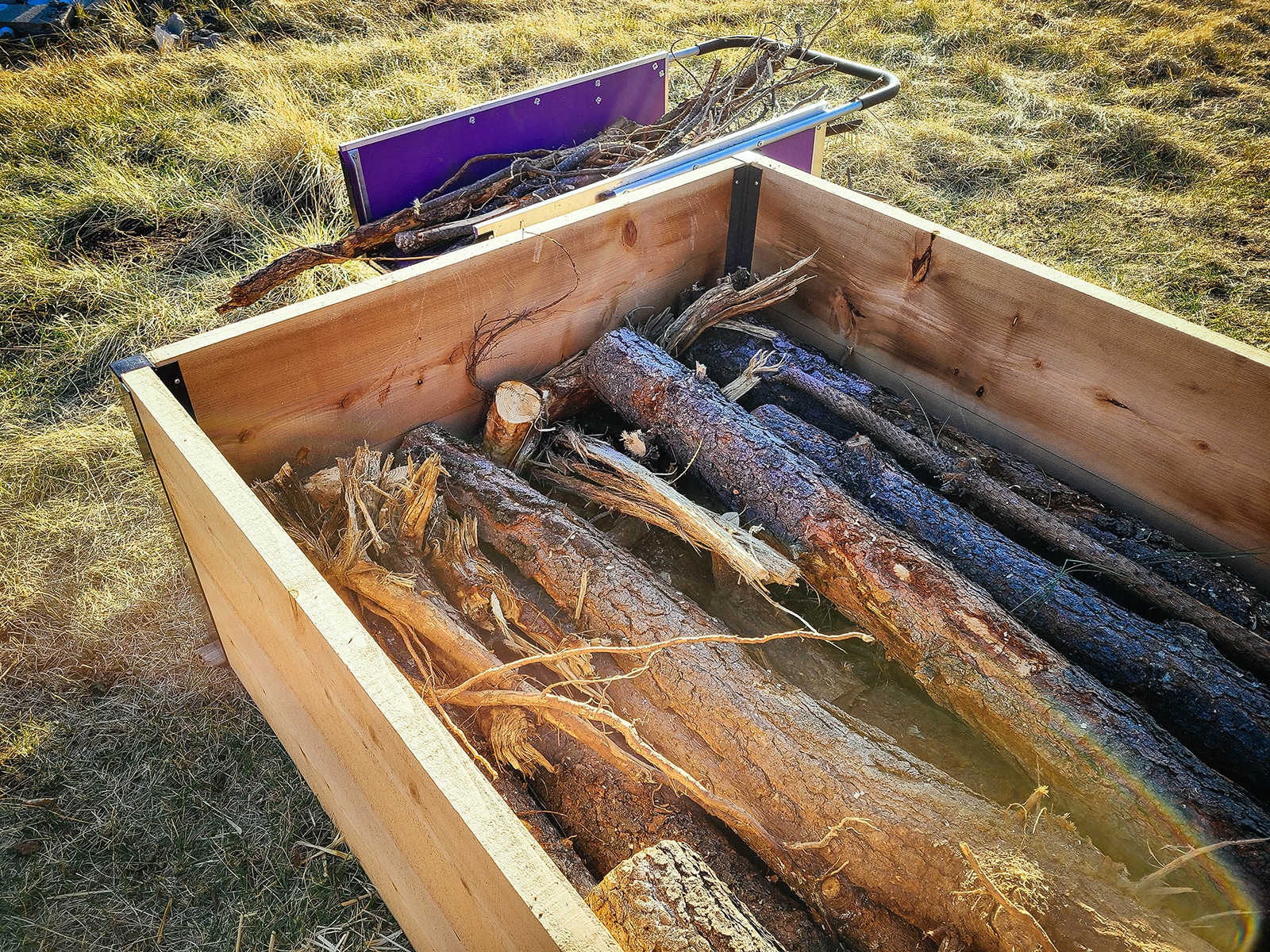
If you’re thinking of adding a new raised bed or want to create some depth to your landscaping, logs make a great base layer for your lasagna garden or planting berm. They break down slowly and as they do, help build fertile soil that retains moisture.
Hugelkultur is an age-old technique that layers logs, branches, brush, and other organic materials on the bottom and soil or compost on top. Pretty much if it decomposes, you can throw it into your hugel mound.
This was how I filled all my 2- and 3-foot-high raised beds a few years ago to save on bulk soil costs. A friend had cut down several large trees on his property and let me take some of the logs.
I combined them with our own branches, pine needles, pine cones, other yard debris, and bucketfuls of kitchen scraps to fill the bottom half of our beds, then filled the top half with a soil mix. (You can get my recipe here for the ideal raised bed soil blend.)
Hugelkultur (as well as other methods I cover in my flagship course called Lazy Gardening Academy) created the best soil I’ve ever had in all my years of gardening—and it started with waste wood. So if you want to avoid hauling all your yard debris to the landfill and don’t have space for multiple compost heaps, give this a try!



I shred my leaves by putting them in an outdoor garbage can I’ve poked holes in, then when it gets full I stick my weedwhacker inside and a couple minutes later … shredded leaves! I’ve got one of your shredders on my wish list though, I bet I’d end up wearing less of them in the end hehe.