


It’s easy to get tempted by beautiful photos or vibrant seed displays and walk away with more seeds than you need (or worse, buying the wrong seeds for your climate—stores don’t necessarily sell what’s regionally appropriate). Which means many people often make at least one of these common mistakes when buying seeds.
Here’s how to save yourself from disappointment this season.
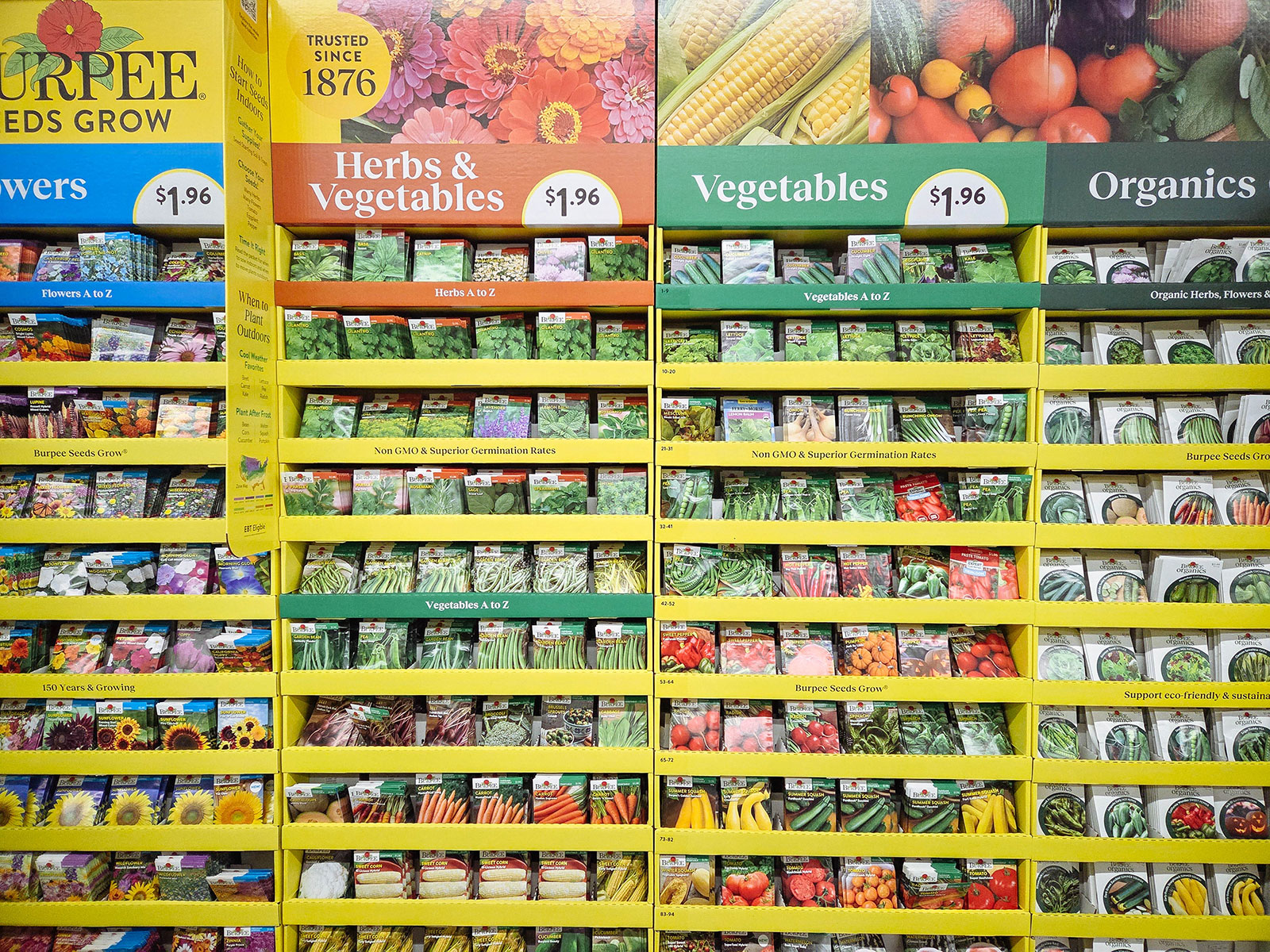
Buying too many seeds
I know, I know… is there such a thing as too many seeds?!
If you have a small garden or short growing season, the answer is probably yes.
I always joke: The eyes are bigger than the garden. Self-restraint is tough if you’re browsing seeds and dreaming of all the things you want to grow, but try to plan ahead so you only buy what you need.
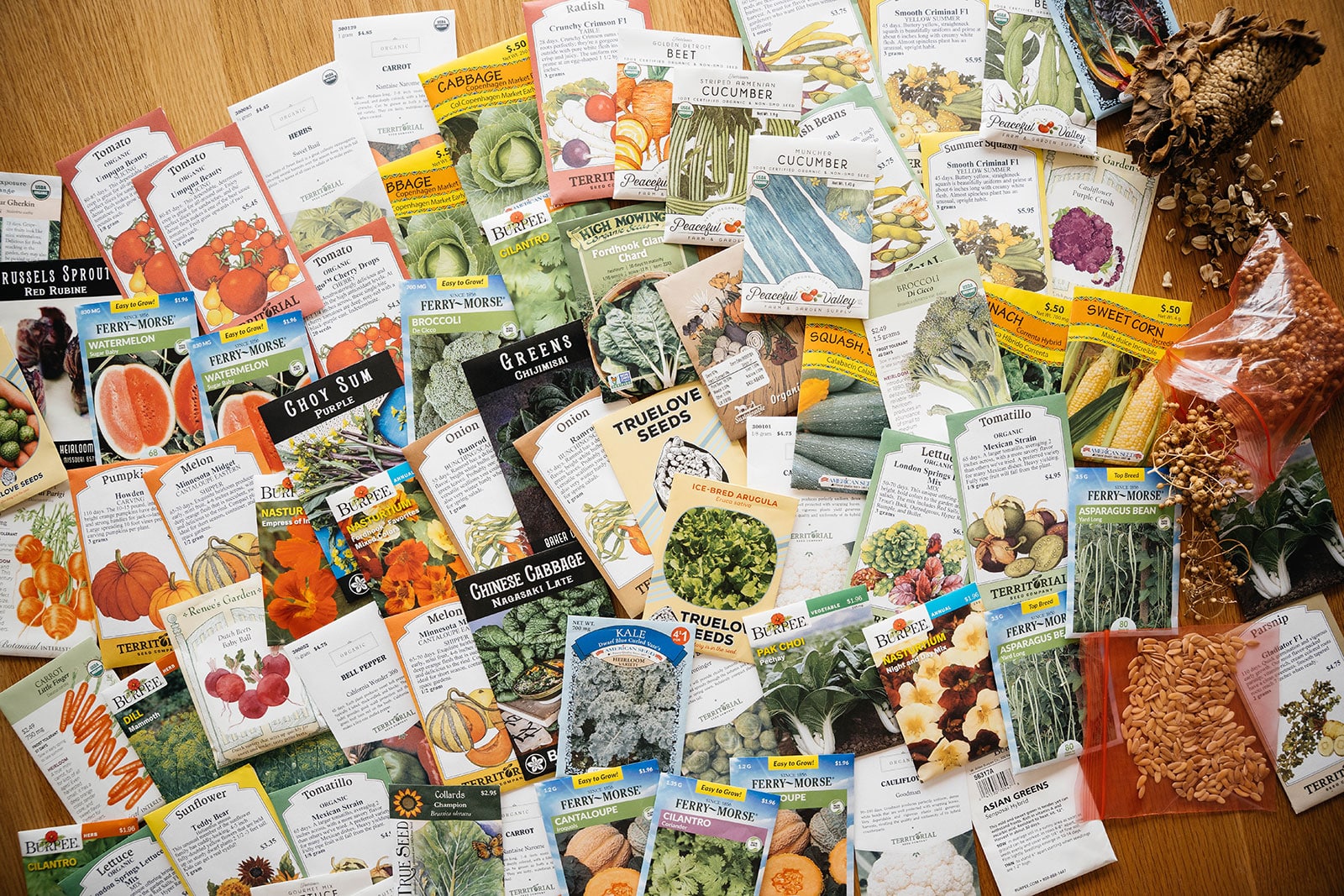
I like to start by taking inventory of the seeds I already have and doing a simple paper towel germination test to check the viability of old seeds. If germination is poor, it makes sense to order fresh packets.
Next, consider the size of your garden and how much room you realistically have for growing. You’ll have to limit yourself if you have a small space or a yard that gets more shade than sun. Also think about the length of your seasons: If you live in a very cold or very hot climate, there may be a few months where you won’t be growing much at all.
Read more: An easy way to determine how many plants to grow to feed your household
Disclosure: If you shop from my article or make a purchase through one of my links, I may receive commissions on some of the products I recommend.
Ordering from unknown or unreliable seed companies
If you’re ordering seeds online, beware of unscrupulous seed companies and photorealistic AI images of garden harvests that look too good (or too bizarre) to be true.
Use your best judgement when ordering from an unregulated marketplace like Amazon. Unless the seller is also the seed company, check reviews to make sure they have a good track record.
For example, I sometimes buy Outside Pride seeds from Outside Pride on Amazon, but I never buy Renee’s Garden or Botanical Interests seeds from a third-party Amazon seller I’ve never heard of. There’s no way to know whether the seeds have been properly stored and I don’t want to waste time on seeds that might not germinate. (Not to mention, these seeds are rarely ever a good deal vs. buying them directly from the seed company.)
If you want to be sure you’re buying from an honest vendor, I have a list of reputable seed catalogs that I order from every year.
Choosing seeds that aren’t suitable for your space
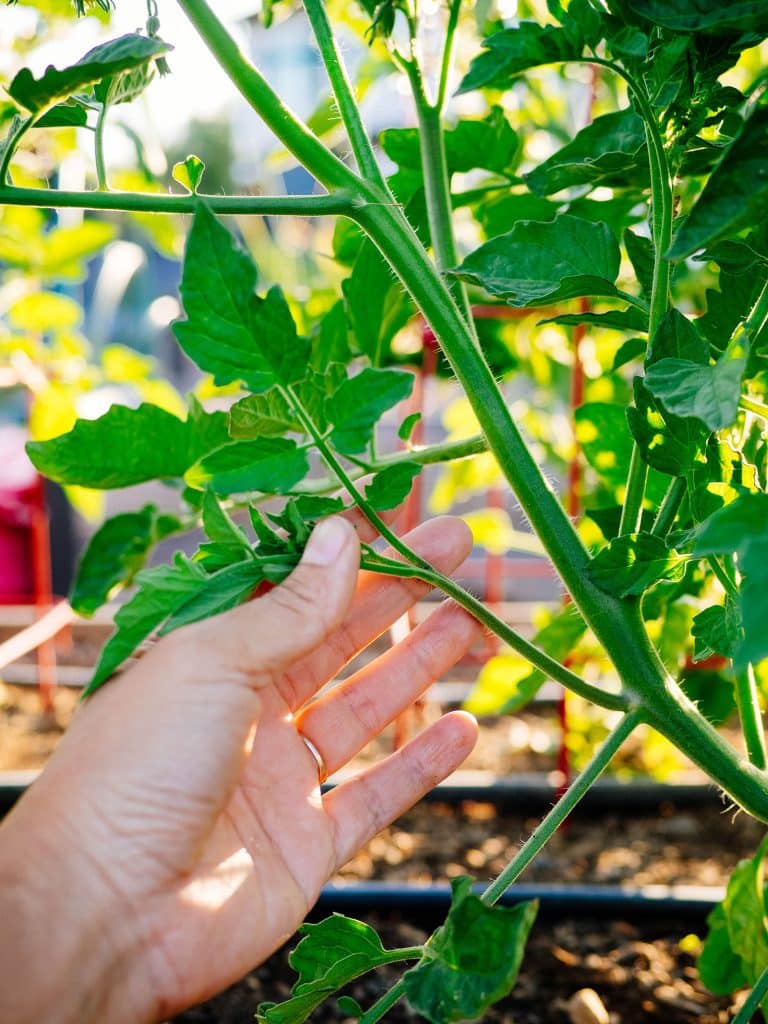
If you’re gardening in a tight space like a side yard or balcony, or have just one or two raised beds, stick to container-friendly varieties that stay compact. This includes determinate tomatoes (sometimes called patio tomatoes), bush cucumbers, and bush zucchini.
Container-Friendly Crops
Find out the plant’s mature size from the seed packet or seed description so you’re not caught by surprise. I once grew ground cherries and had no idea the plants would grow into bushes that spread 3 feet tall and 3 feet wide!
Choosing seeds that aren’t suitable for your climate
This is the biggest mistake I see gardeners make: buying seeds that aren’t suited for their climate or growing conditions.
If those seeds need a longer growing season or different type of environment than you can provide, you’ll have poor results.
Most seed packets list a “days to maturity” or “days to harvest” date, which gives you an idea of how long it takes the plant to grow to maturity (the stage at which it flowers or is ready to pick).

If you have a short growing season, long-season crops like winter squash and chile peppers may not mature in time before the first frost arrives. And if you want to grow tomatoes, you’ll need to select an early tomato variety that ripens in less than 70 days.
Related: Find out when the first frost will arrive in your area
Aside from season length, the plant’s origins matter too. Tropical species likely won’t do well if you live in a cooler or arid climate.
Take a perennial like culantro, for example (sawtooth coriander). This herb thrives in zones 10 to 11 and requires consistently moist soil. In cooler areas, you’ll only be able to grow it from seed as an annual if you have a moderately long season and give it plenty of water (or be prepared to overwinter it indoors).
Skipping flower seeds if you’re planning to grow a vegetable garden
When I started gardening many, many years ago, I considered flowers an afterthought—something nice to have, but low priority if it meant I had to dedicate space to a plant I couldn’t eat.
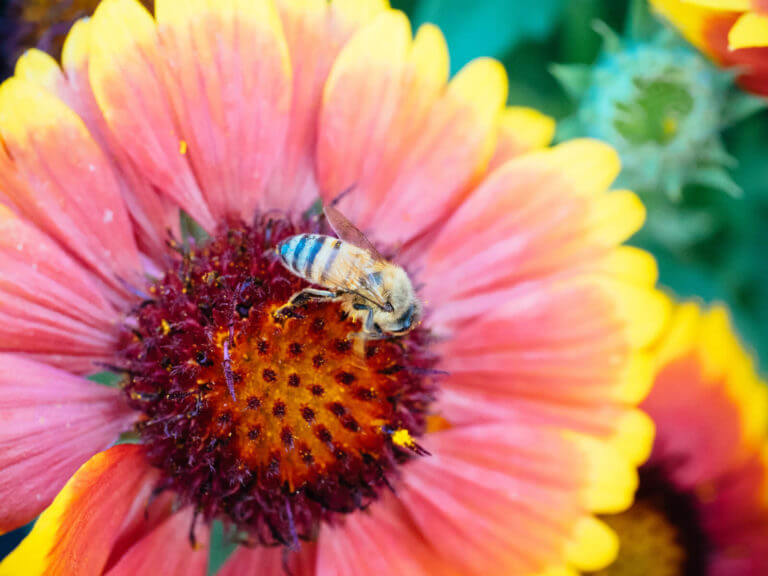
What I’ve since learned is that flowers are vital for maintaining a healthy ecosystem and need to be integrated in every vegetable garden plan. They provide food and habitat for beneficial insects and other creatures, deter pests when used as trap crops, support soil health and structure, and increase biodiversity—not to mention the beauty factor.
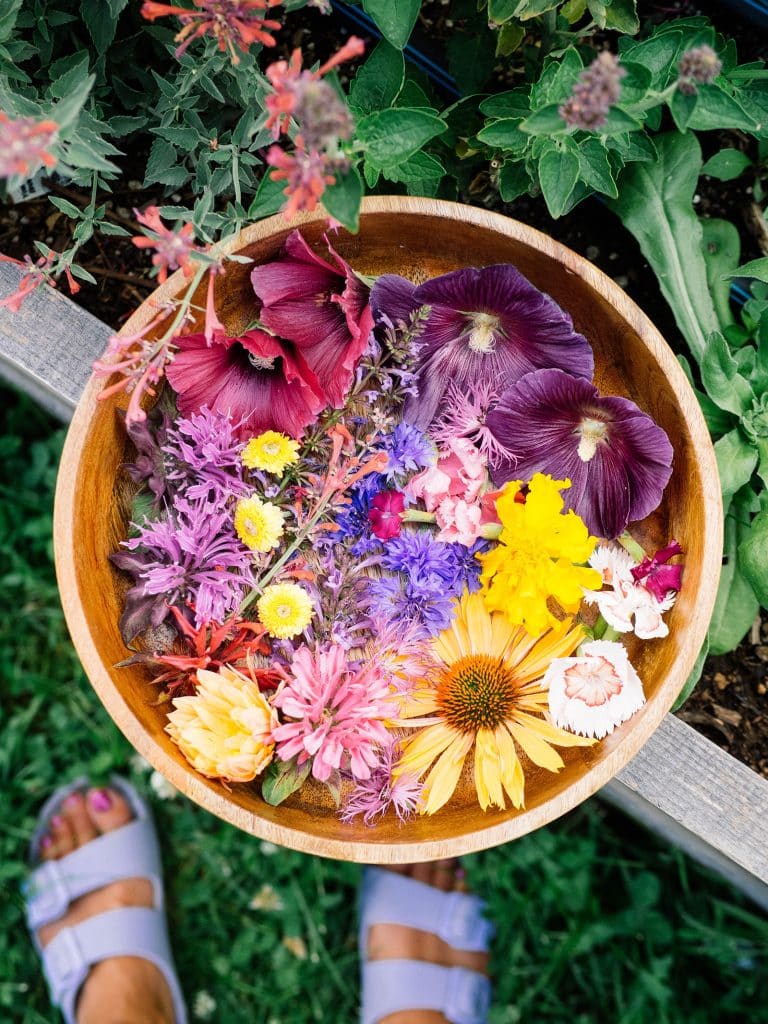
You also don’t have to give up space for edible plants; many flowers are edible and delicious in salads, desserts, and drinks!
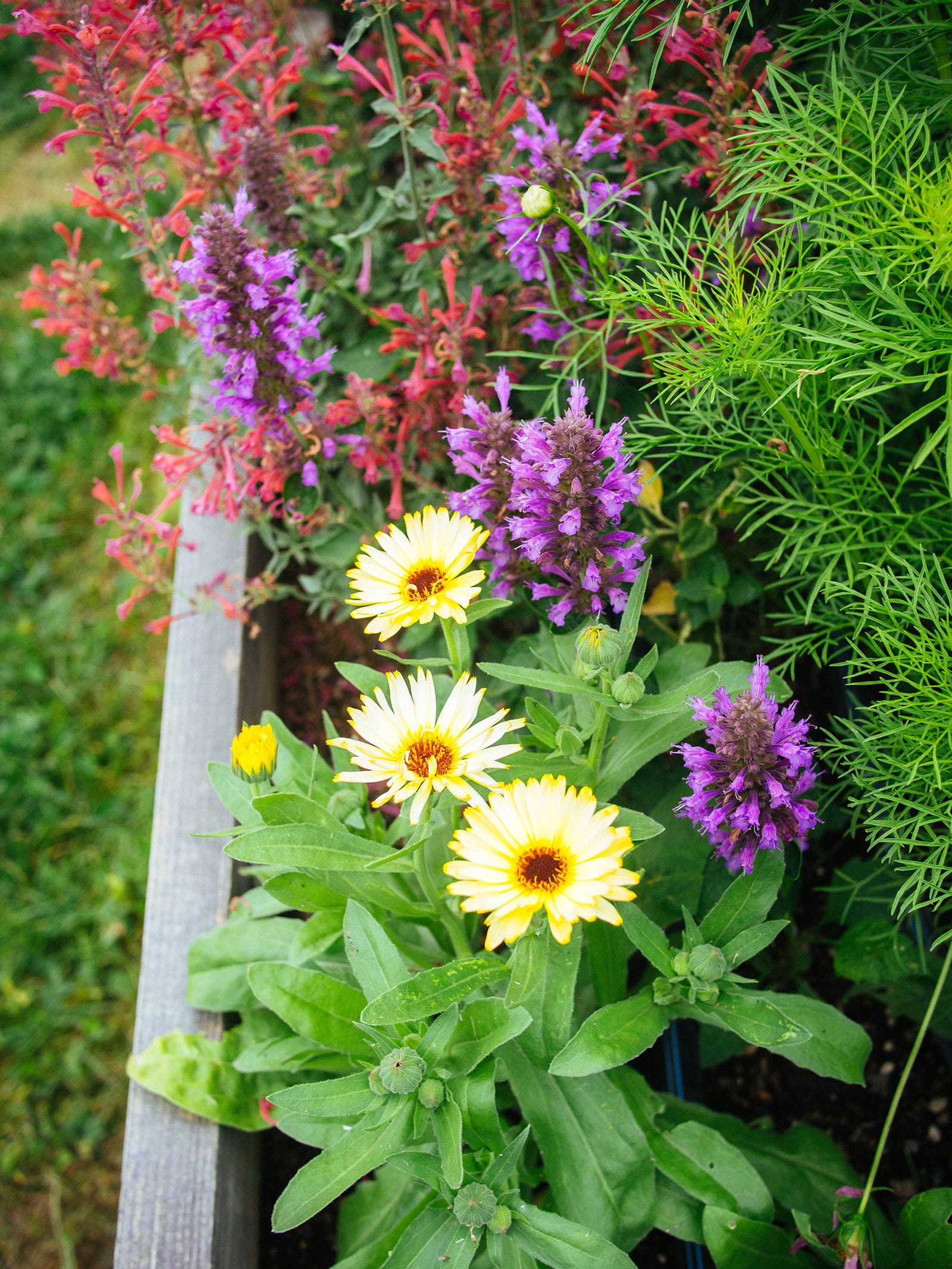
While there’s no magic ratio for flowers to vegetables, I’d say that at least 20 percent of my vegetable garden is filled with flowers (planted between crops, along borders, and in pots next to my beds).
So if you’ve got a cart full of vegetable seeds, add a few flower seeds to mix in with them. Your garden will thank you with abundance!
This is a great idea for a post! I always get so excited looking at seeds and probably make a lot of these mistakes. I’m definitely going to read this before I buy any more seeds this year!
I enjoy your comments on vegetable growing, I also live in a short season climate (USDA 4/5 in central Ontario, Canada). From a medical/health perspective, it’s also useful to choose vegetables/fruit where growing organically makes the biggest difference – these are the edibles which have the largest amount of pesticide residues when grown conventionally – see “The Dirty Dozen”. Especially if there is a growing family with pregnant and breastfeeding Moms, and/or children aged 0 – 18, growing organically these higher-residues crops makes sense.