

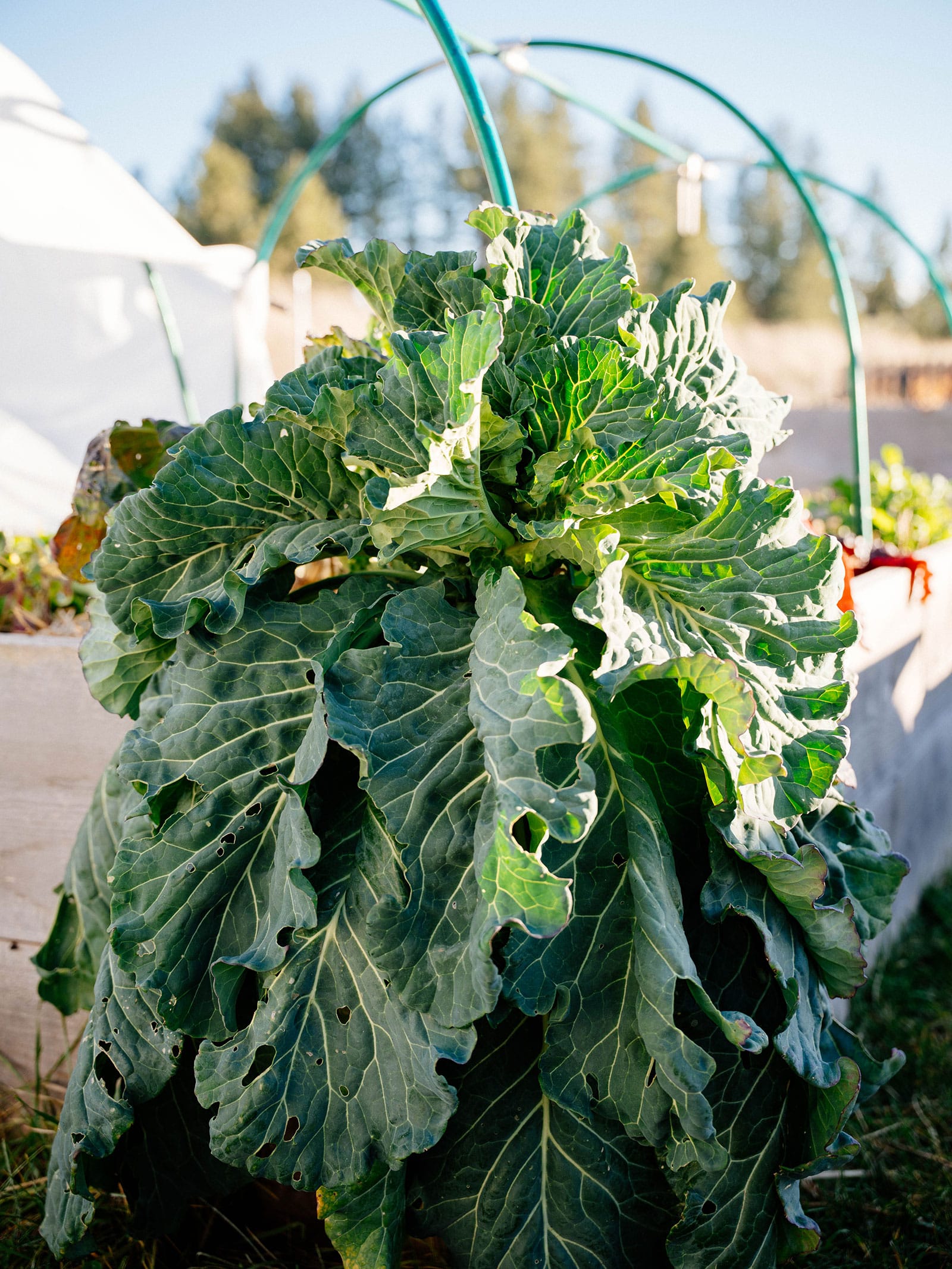
If you grow vegetables over winter, it can be a bit tricky to find out just how cold a temperature they can survive. I’ve pored over many books and articles to try to figure this out, but even advice from the experts ends up being confusing.
After all, a plant that “survives all winter” is one thing in California and another in Montana, and even two regions that are both in zone 6 may have very different climates.
So for the last few years that I’ve been living and gardening in the Pacific Northwest, I’ve tried to record which plants die at what temperature each winter.
You may have seen the chart of frost tolerance temperatures in my other post about winter gardening, but this list comes from my own data and, where available, refers to specific varieties I’ve grown in my garden.
Central Oregon isn’t the coldest place in the country, but my particular microclimate in the high desert has its own challenges. I’m in a pocket of Bend, Oregon, where the average winter lows are 10°F to 25°F with some single-digit nights and the rare 0°F cold snap. But it’s not always the cold that affects my plants; it’s the lack of consistent snow cover and generally dry climate.
I usually cover my garden beds in winter but every year I do let some of my plants fend for themselves outside. So this list reflects winterkill temperatures for plants that are not under row covers.
Related: Do fabric or plastic row covers protect your plants better in winter?
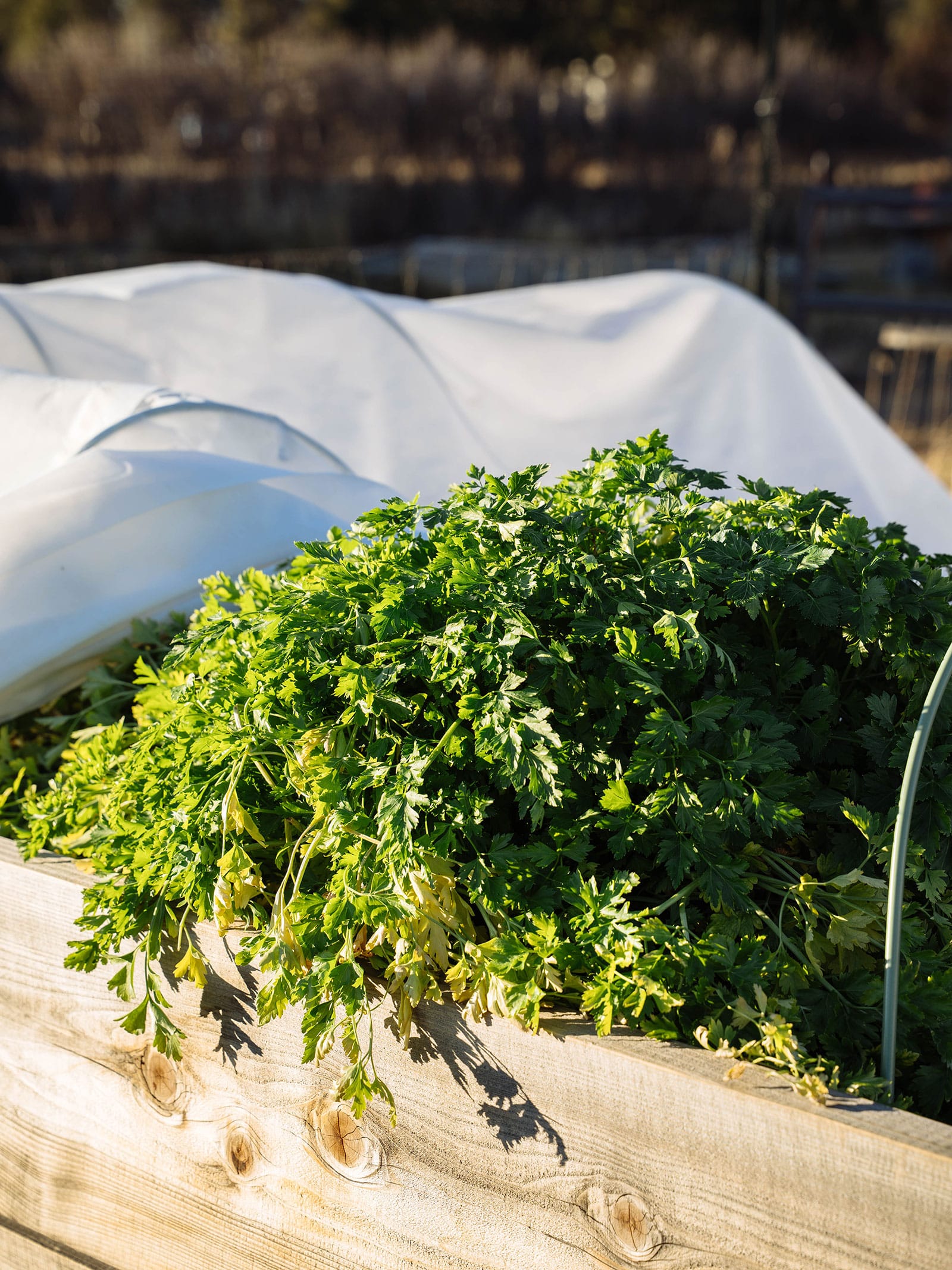
It’s an evolving list and each year the winterkill temperatures may vary by a couple degrees on either end. Keep in mind that your own experiences with your own climate (including soil conditions, humidity, wind, rain, and snow) may lead you to different temperatures.
If you have more data to share in the comments, I’d love to hear what has stayed green for you!
Outdoor killing temperatures of unprotected crops
35°F (2°C)
- Basil
32°F (0°C)
- Beans (bush and pole varieties)
- Corn
- Cucumbers
- Eggplant
- Melons
- Okra
- Peppers
- Potato vines
- Squash vines
- Sweet potato vines
- Tomatoes
- Watermelons
28°F (-2°C)
- Cabbage (non-overwintering varieties)
- Peas (snap and shelling varieties)
25°F (-4°C)
- Bok choy
- Dill
- Endive
- Fennel
- Lettuce (loose-leaf varieties)
- Mibuna
- Mizuna
- Mustard (Red Giant)
- Rhubarb
- Scallions
- Sea kale
- Tokyo bekana
22°F (-6°C)
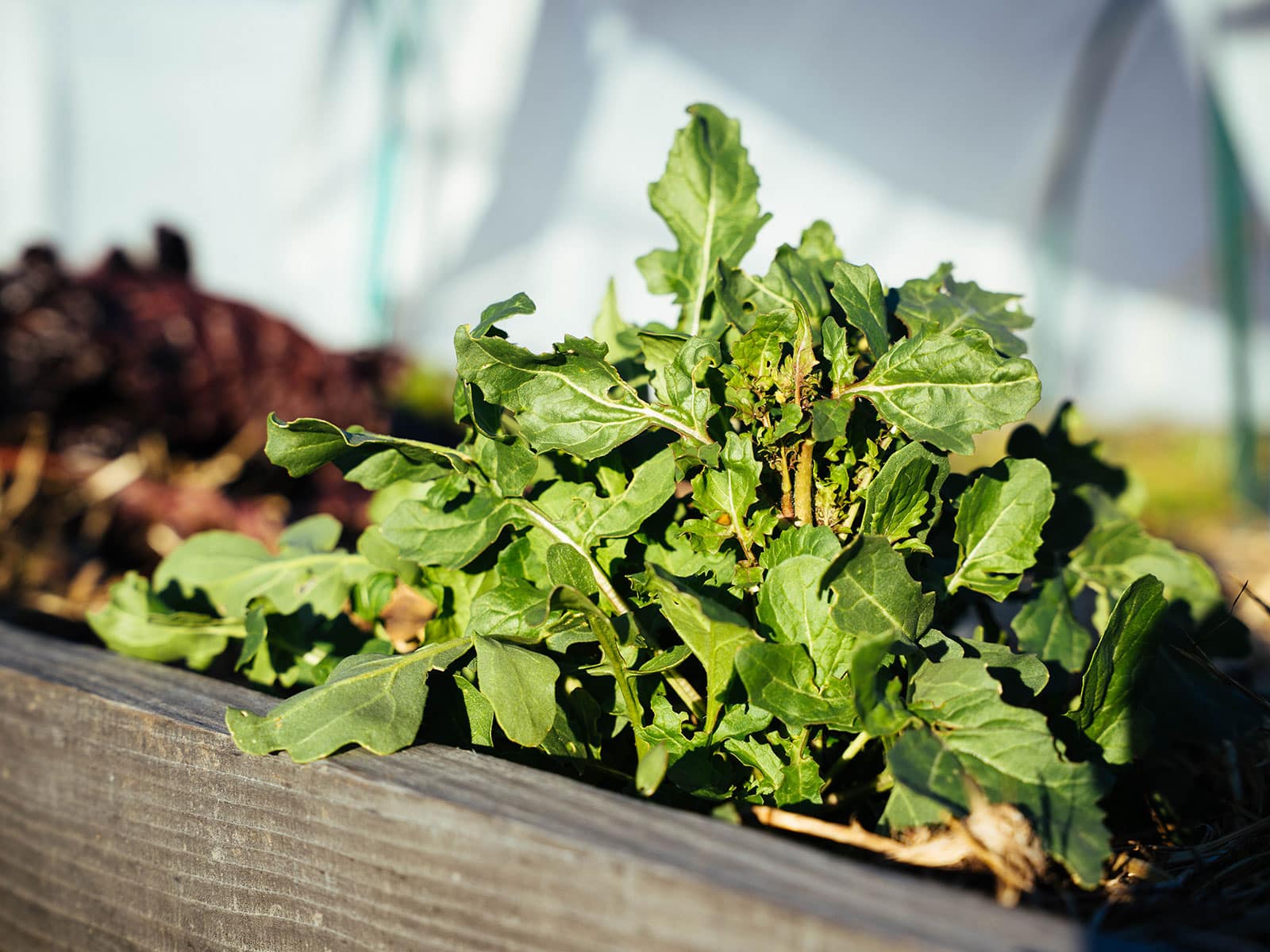
- Arugula (standard varieties)
- Broccoli heads
- Cauliflower
- Egyptian walking onions
- Lettuce (head varieties)
- Tatsoi
20°F (-7°C)
- Beets (Bull’s Blood, Chioggia, Golden)
- Broccoli leaves
- Brussels sprouts
- Cabbage (outer leaves on overwintering varieties)
- Carrot tops
- Celeriac
- Celtuce
- Collards (Georgia Southern)
- Kale (Lacinato, Portuguese)
- Komatsuna
- Leeks (summer varieties)
- Lettuce (Landis Winter)
- Radicchio (Treviso)
- Radishes (Cherry Belle, Easter Egg, White Icicle)
- Turnips (Golden Globe, Purple Top)

15°F (-9°C)
- Arugula (Ice Bred)
- Beets (Lutz Winter Keeper, Winter Sun)
- Cilantro
- Fava beans (Windsor)
- Kale (Red Russian, White Russian)
- Kohlrabi
- Lettuce (Marvel of Four Seasons, Rouge d’Hiver, Spotted Aleppo, Winter Density)
- Parsley
- Rutabagas (Laurentian)
12°F (-11°C)
- Beets (Cylindra)
- Cabbage (January King and other savoy types)
- Carrots
- Chard (rainbow-stemmed varieties)
- Lettuce (Winter Marvel)
- Senposai
- Turnips (Noir d’Hiver)
10°F (-12°C)
- Chard (white-stemmed varieties)
- Collards (Champion, Morris Heading)
- Leeks (American Flag)
- Upland cress (Belle Isle)
- Yukina savoy

5°F (-15°C)
- Kale (Vates Blue Curled Scotch, Winterbor)
- Leeks (Bulgarian Giant)
- Potato onions
0°F (-18°F)
- Austrian winter peas
- Bell beans (small-seeded fava beans)
- Chives
- Collards (Blue Max)
- Horseradish
- Jerusalem artichokes
- Leeks (Blauwgroene Winter, Durabel, Liège Giant)
- Mache
- Miner’s lettuce
- Parsnips
- Salad burnet
- Scallions (White Lisbon)
- Sorrel
- Spinach (Tyee, Winter Bloomsdale)
Read more: The most cold-hardy vegetables and cold-hardy herbs that can grow outside in your winter garden
Variables that affect winterkill
The temperatures at which certain crops die back can vary by a few degrees on either end and even vary within the same species. Here’s what I’ve noticed about my winter garden and what holds true across most types of plants:
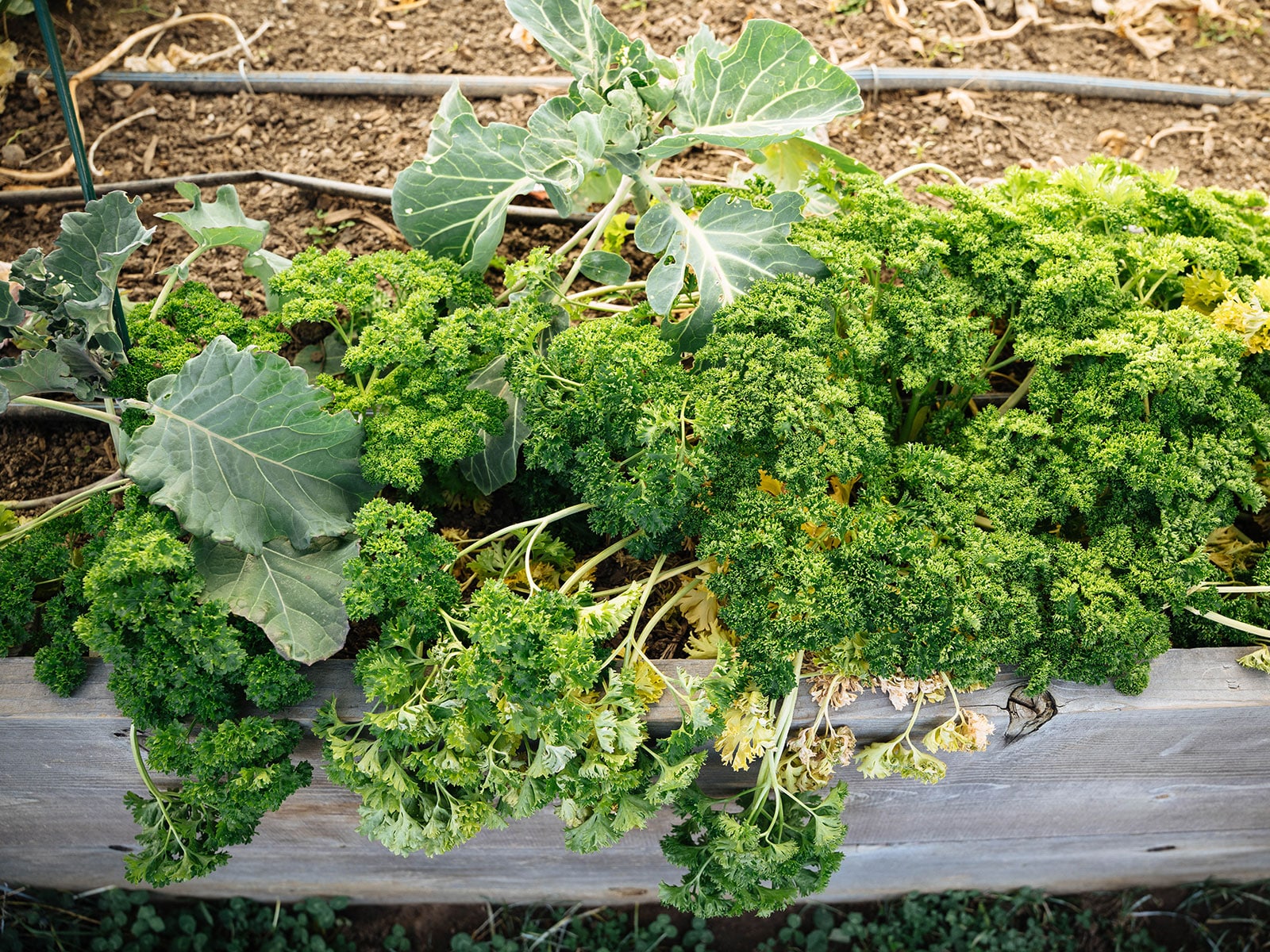
Savoy types are always hardier
Plants with deeply wrinkled, crinkled leaves tolerate cold weather better than their smooth-leaved counterparts (for example, ‘Vates Blue Curled Scotch’ kale vs. ‘Red Russian’ kale).
White-stemmed chard is hardier than multi-colored chard
Regular white-stemmed varieties (like Fordhook Giant) are always hardier than chard with red stems (‘Ruby Red’) or multi-colored stems (‘Bright Lights’).
Close plantings may increase survival rates
A lone plant growing in the open will typically not fare as well as plants growing together in groups (since they naturally protect each other).
It’s worth peeling back the outer leaves
For crops that form heads (like radicchio or cabbage), the outer leaves may die but can be peeled away to reveal undamaged centers.
Size matters
Some plants (like lettuce) are better able to withstand prolonged freezes when they’re small and young versus when they’re larger and more mature. In my garden, a medium-sized ‘Winter Marvel’ lettuce plant dies around 12°F but can survive to 5°F with minimal damage if it’s still compact.
Humidity makes a big difference
Most cold-hardy plants die from winter desiccation, not from frigid weather. While a simple row cover can raise the temperature by a few degrees, it has a greater affect on plants by increasing humidity and protecting them from drying winds.
Snow is the best winter cover
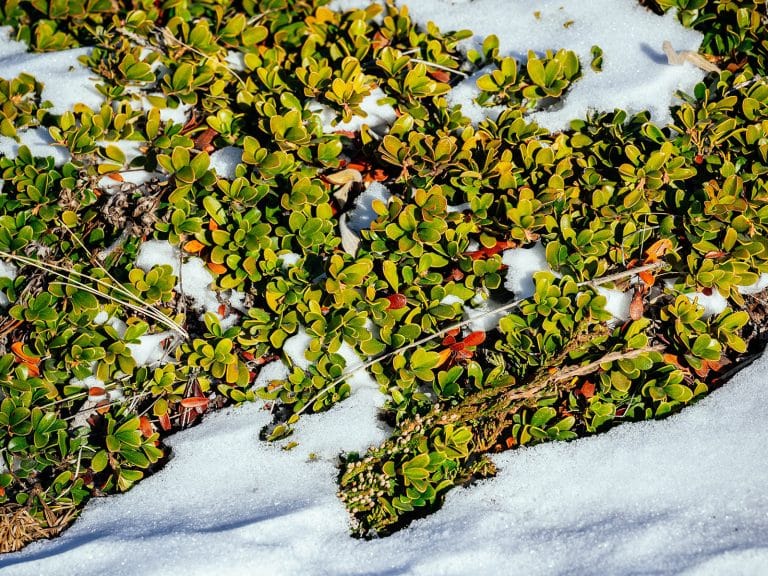
If you get a fresh blanket of snow on your garden, let it be! Snow provides the best insulation your plants can have. It’s why your plants might stay green one winter but die in “warmer” temperatures the following winter.

I am in Florence Alabama with 220 foot raised beds and 1 40 ft and found that my collards, cabbage, broccoli, bekana and Chinese cabbage took down to 15 fine if each is covered with a bucket then plastic row cover over the whole bed. I tried that technique last winter and all was fine down to 5 degrees left a few days. I did not have bekana then.
Next time, would you mind putting all your temperatures in F & C degrees so those of us outside the country can learn too.
Appreciate the feedback, I’ll add Celsius on my next update!