


We’re well into spring and an unexpected freeze already wiped out my first round of seedlings. It’s a bit defeating to start over, but it’s doable, even if we’re further along in the season.
People often wonder if it’s too late to start seeds or plant or do anything in the garden, and the truth is, it’s rarely too late because we have so many options. Even if we’re starting in summer!
So if you feel like you’re behind on your garden planning, procrastinated on yard work, or had a rough start to the season, this post is for you. I’m laying out what you can do if time is not on your side but you still want to harvest a good crop.
For the rest of this season, we’re going to focus on three things:
- Short-season crops
- Direct sown crops
- Transplants (plant starts)
Related: How to know when you should start seeds vs. when you should transplant seedlings
Disclosure: If you shop from my article or make a purchase through one of my links, I may receive commissions on some of the products I recommend.
Short-season crops
Let’s start with crops that have a shorter day to maturity. This is the number you see on your seed packet (usually listed as “days to maturity” or “days to harvest”). But don’t count on that number being accurate, as I explained in my other post on understanding the variables that affect plant maturity.
You first need to know the first expected frost date in your area (which you can find with my frost date lookup tool). Count backward from that date to today, then subtract another three weeks or so (to account for the shorter and cooler days in fall, which slow down plant growth).
Now, use that number to determine approximately how many days you have left in your growing season. This will help you choose the right varieties that’ll produce (or ripen) in time before the weather turns.
Don’t worry if it looks like you’ve got less than 100 days left. Plenty of crops besides leafy greens can grow in a short period of time, and my favorites (below) mature well under 100 days!
Early carrots
Early tomatoes
(Check out my full list of short-season, early-ripening tomatoes in this post.)
Early cucumbers
Early Squash
Early melons
Early Corn
Direct sown crops
By this point, you’re not saving any time by starting seeds indoors, so you can redirect that effort into starting seeds directly in the garden. The soil has likely warmed up to favorable temperatures for seeds to germinate, so get them in the ground right now (as long as your soil is crumbly and workable).
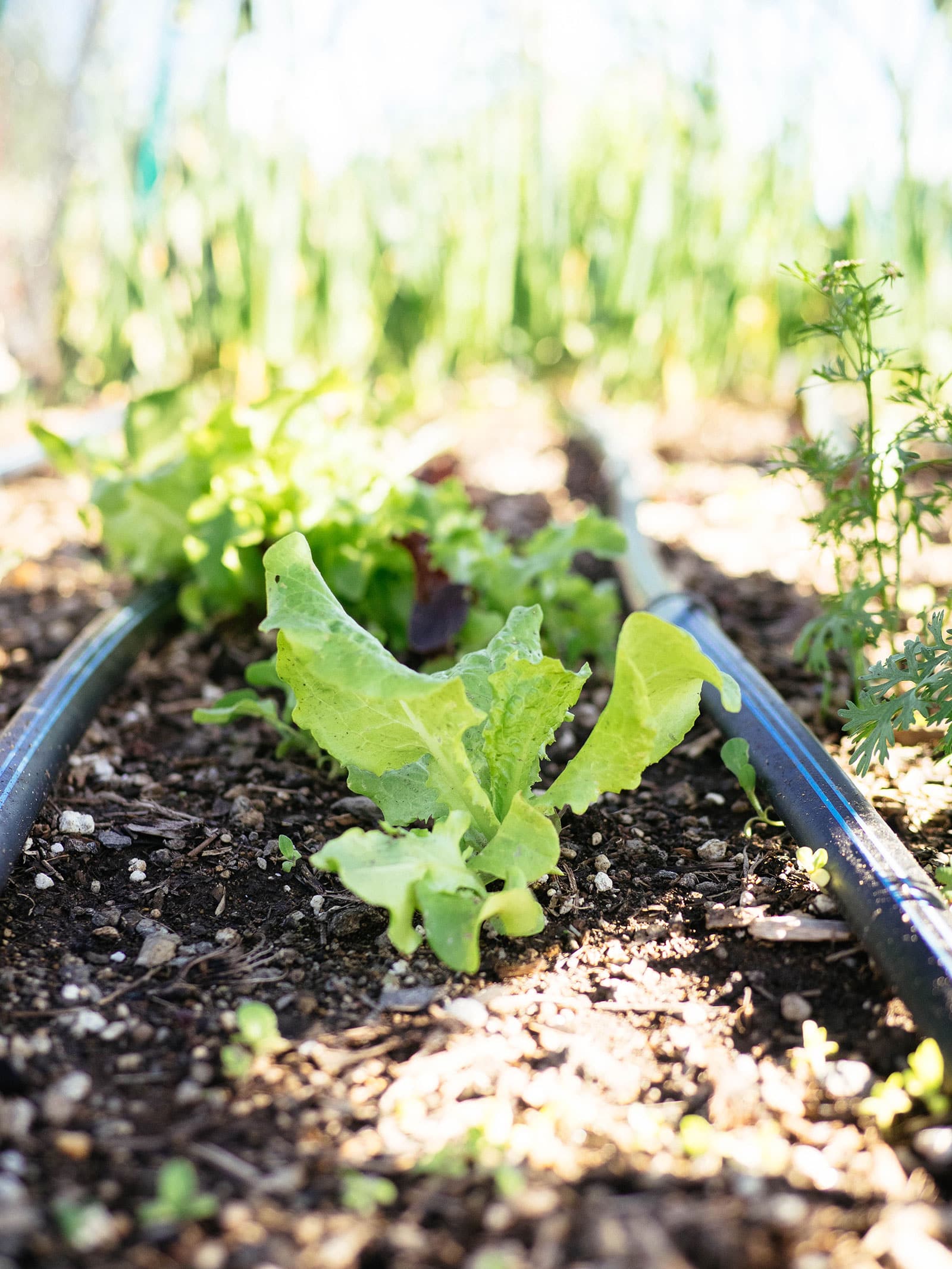
Many types of cool-weather seeds can be direct sown before your last frost date, including:
- Peas
- Radishes
- Beets
- Carrots
- Lettuce
- Arugula
- Spinach
- Chard
- Kale
- Cabbage
- Pak choi
- Cilantro
- Dill
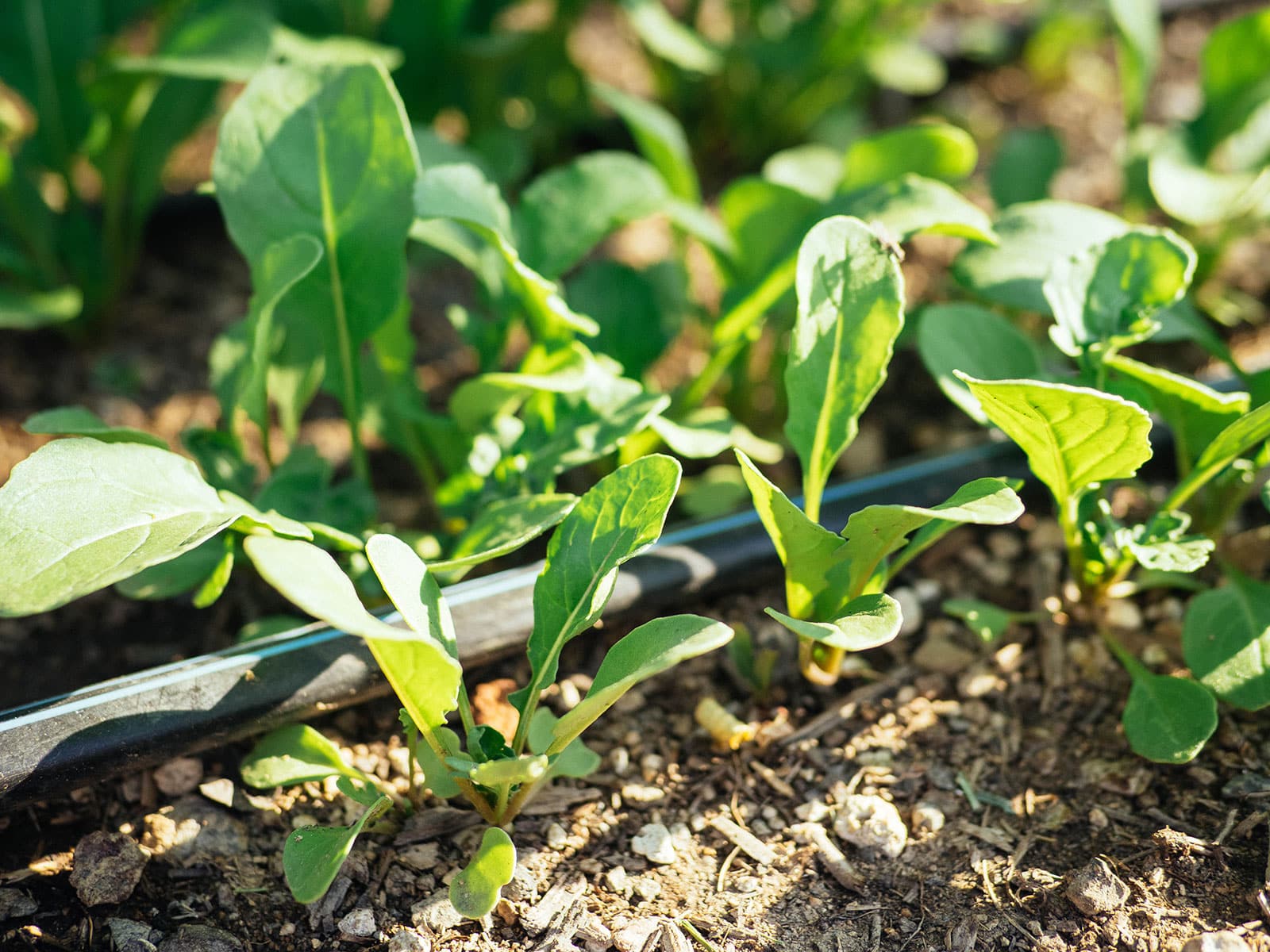
Most of the crops above can be direct sown through mid-summer if you want continuous harvests, so a late start won’t hold you back. Keep sowing seeds until it gets too warm for those cool-season plants to produce reliably.
Once you’re safely past the last frost, you can sow these warm-weather crops directly in the garden:
- Tomatoes
- Cucumbers
- Melons
- Squash
- Corn
- Beans
Are you surprised that tomatoes are on the direct-sow list? It might sound counterintuitive when we’re so used to starting tomato seeds indoors. But if you’ve ever seen tomatoes volunteer in a compost pile, growing in the cracks of sidewalks or some other random place, you know they’re perfectly capable of germinating outside once the soil’s warm.
Direct-sown tomatoes are also often more robust because they’ve adapted to their environment and have less stress. Proof: Check out these volunteer cherry tomatoes that once grew wild in my (former) California garden every year.
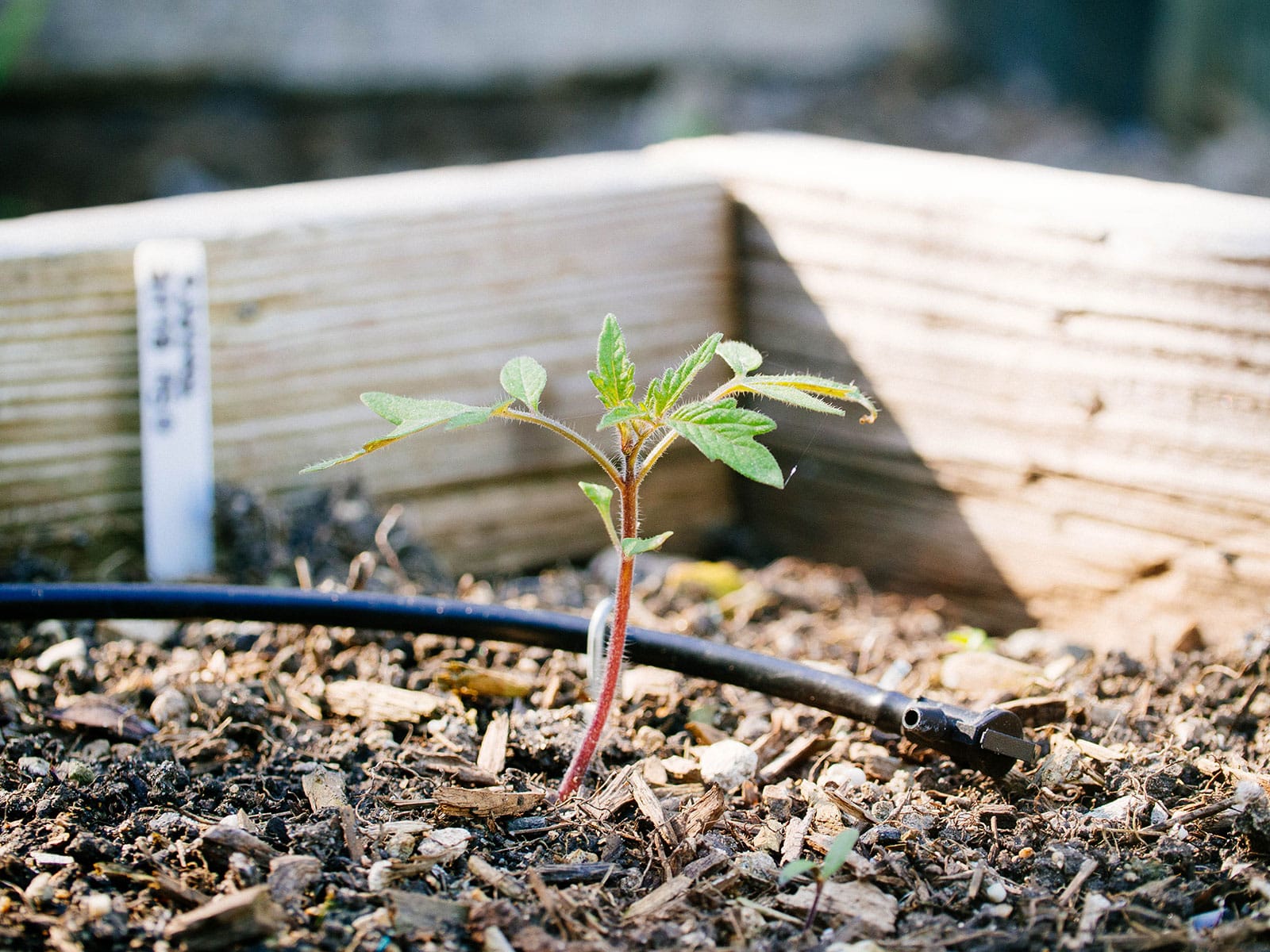
I’ve sometimes even moved volunteer tomato seedlings from one area of my garden to another. So don’t be afraid to sow a few seeds directly in your garden if you’ve still got enough warm days to grow a 60-day tomato variety.
Transplants (plant starts)
If you’re getting a much later start than you’d like, your next option is to buy transplants from a nursery or another gardener who might have extras they want to unload. (Facebook Marketplace or your local gardening group is a great place to search for this.)
In fact, I often hit up the garden centers near me in mid-season because that’s when they start to put transplants on clearance, hoping to move the remainder of their inventory. It’s a good way to score plants for cheap or just to have backup.
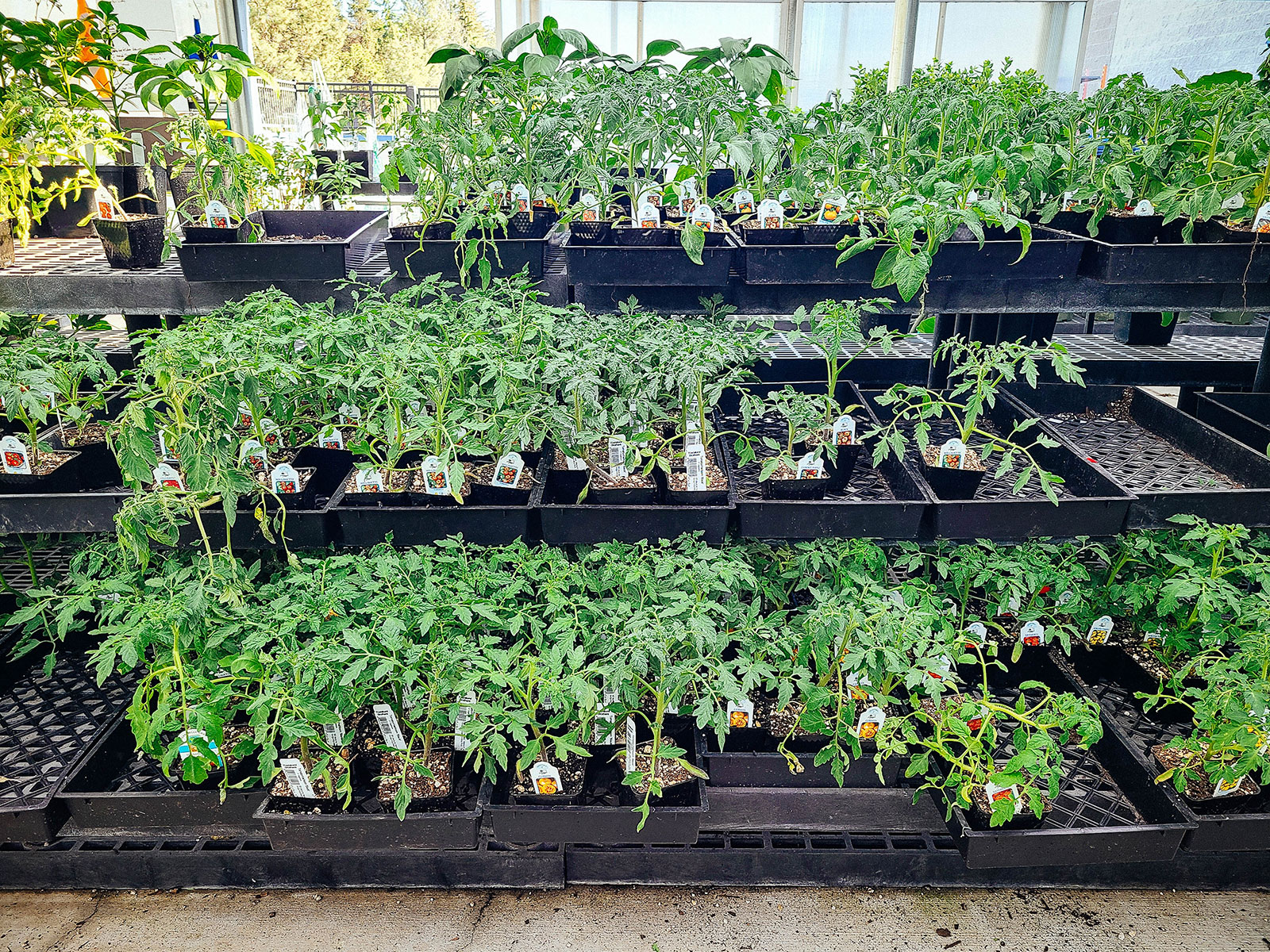
Sure, transplants are more expensive than seeds when you compare the cost of one plant to a whole packet of seeds that can produce dozens of plants, but I see it like this: It’s still less expensive than buying organic vegetables from the market.
Late in the season, most plants get picked through at the store so you’re working with a more limited selection. Choose wisely.
The transplant should:
- Look healthy (not stunted or root-bound)
- Have a strong stem (not a super tall, spindly stem)
- Be pest-free and disease-free (no holes or yellowing leaves)
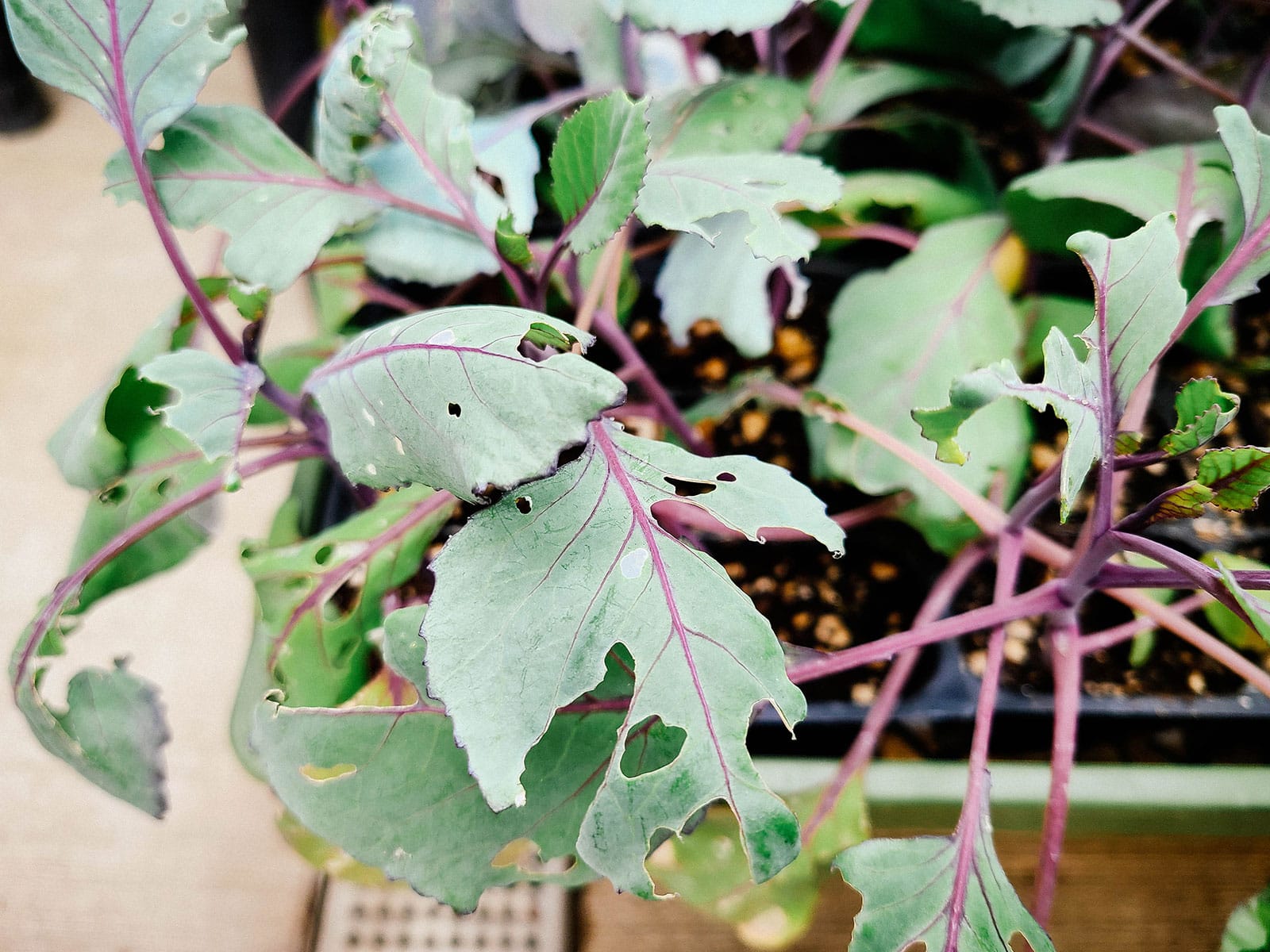
Remember that the healthiest plant on the shelf might not always be the most beautiful plant. Don’t just go for the tomato start that’s already flowering or fruiting (an indicator that it might be stressed). Buy the plant that’s smaller but otherwise lush and healthy-looking—it’ll catch up once it’s in your garden.
Make sure your transplants are properly hardened off before you plant them outside. Even if they were displayed in an outdoor area of the garden center, they’re often still covered or shaded, so you want to make sure you don’t add more stress that your plants can’t handle.
Don’t get hung up on what you “should” do
Now is not the time to fuss over things you should’ve done earlier, like test the soil, prepare the garden bed, or plan your crop rotation. Just throw a couple inches of compost on top, plant, water, and call it good. Perfection can often hold you back when things may be better left to nature.
Just see how it goes, and more than likely, you’ll get to harvest something this year!

Thanks for the encouragement this morning! I woke to frost on the grass and frustration in my heart because I want to plant and watch things grow–but I feel so far behind this year! My indoor seed starts of tomatoes, eggplant, artichokes/cardoons, and peppers all stunted because of the extreme temperature swings this Spring–even inside…My melons and cucumbers are ready to transplant out, so I’ll focus on what is ready, instead of what’s behind this year. While 90% of my garden usually consists of plants that I grow from seed–I’ll give myself a break and find organic heirloom plants from my local famer’s markets to help me along. The big picture is that I’m still growing my own food and sharing healthy vegetables with my family and neighbors–whether it’s from my own seeds or the farmer’s market–Happy growing!