
Spring tends to get all the attention when it comes to new plantings. But after a sweltering summer, I so look forward to planting in fall when the air is cooler (making it easier on my garden and me) but the soil is still warm to encourage roots to grow before the ground freezes.
If you’ve been struggling all summer with pests and diseases, the good news is they are much less of an issue in fall. And in my area, we start getting some nice soaking rains as the seasons turn, helping to water in the new garden.
One of my favorite “tricks” for filling in a landscape on the cheap is planting perennials in the fall. (Yes, even in my hardiness zone 5 microclimate that gets snow—I live in the high desert of Central Oregon.) All of my local stores start putting their remaining inventory on clearance in late summer, so I can snap up quite a few deals on flower bulbs, trees, shrubs, and other perennials.
(Of course, that also means I can’t be as picky with the selection, but what I can’t find locally, I source online—where many of my favorite sites also offer end-of-season sales.)
If you want to get ahead of spring, here’s what you can plant now in fall: flowering bulbs (tulips, daffodils, crocus, alliums), wildflower seeds, pansies and violas, ornamental and edible perennials, trees and shrubs.
Bonus for your vegetable garden: For an early spring harvest, plant garlic, shallots, overwintering onions, and edible cover crops.
If you get these plants in the ground before your area gets hit with a hard frost, you’ll be treated to beautiful blooms and color in the spring! (You can double-check your area’s first frost date with my lookup tool here.)
(Scroll right to see the entire table on mobile.)
|
What to plant |
When to plant |
When you see results |
|---|---|---|
|
Flower bulbs |
September to December |
Late winter to late spring |
|
Wildflower seeds |
September to December |
Early to late spring |
|
Pansies/violas |
September to November |
Fall to early spring |
|
Perennials |
Mid-August to November |
Early spring |
|
Trees/shrubs |
Mid-August to mid-October |
Early spring |
|
Garlic/alliums |
September to November |
Early spring |
|
Cover crops |
September to mid-October |
Early spring |
Disclosure: If you shop from my article or make a purchase through one of my links, I may receive commissions on some of the products I recommend.
Spring-blooming flower bulbs
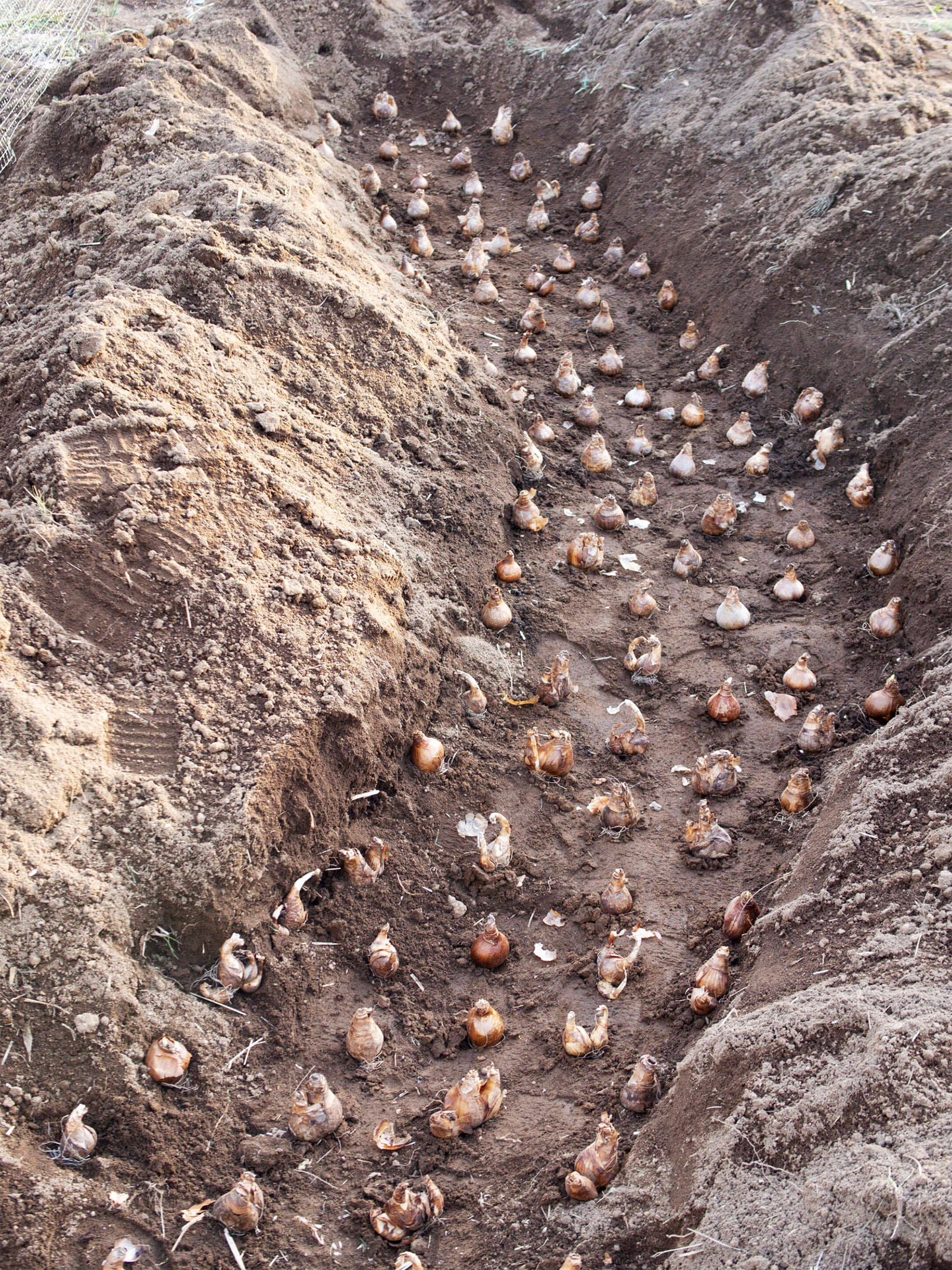
All spring-blooming bulbs (such as tulips, hyacinths, and the extra early-blooming minor bulbs) need to go through a period of cold weather (a process called vernalization) in order to flower. They have to be planted in fall, even though they won’t start to grow until temperatures warm up again.
If you have trouble with critters nibbling your yard:
- Plant your bulbs in bulb baskets like these to protect them from being eaten by burrowing pests
- Plant daffodils, grape hyacinths, and alliums, which deer and rabbits tend to avoid
My tip: Choose bulbs that bloom at different times (late winter, early spring, mid spring, and late spring) for continuous color.
Where to buy
Wildflower seeds
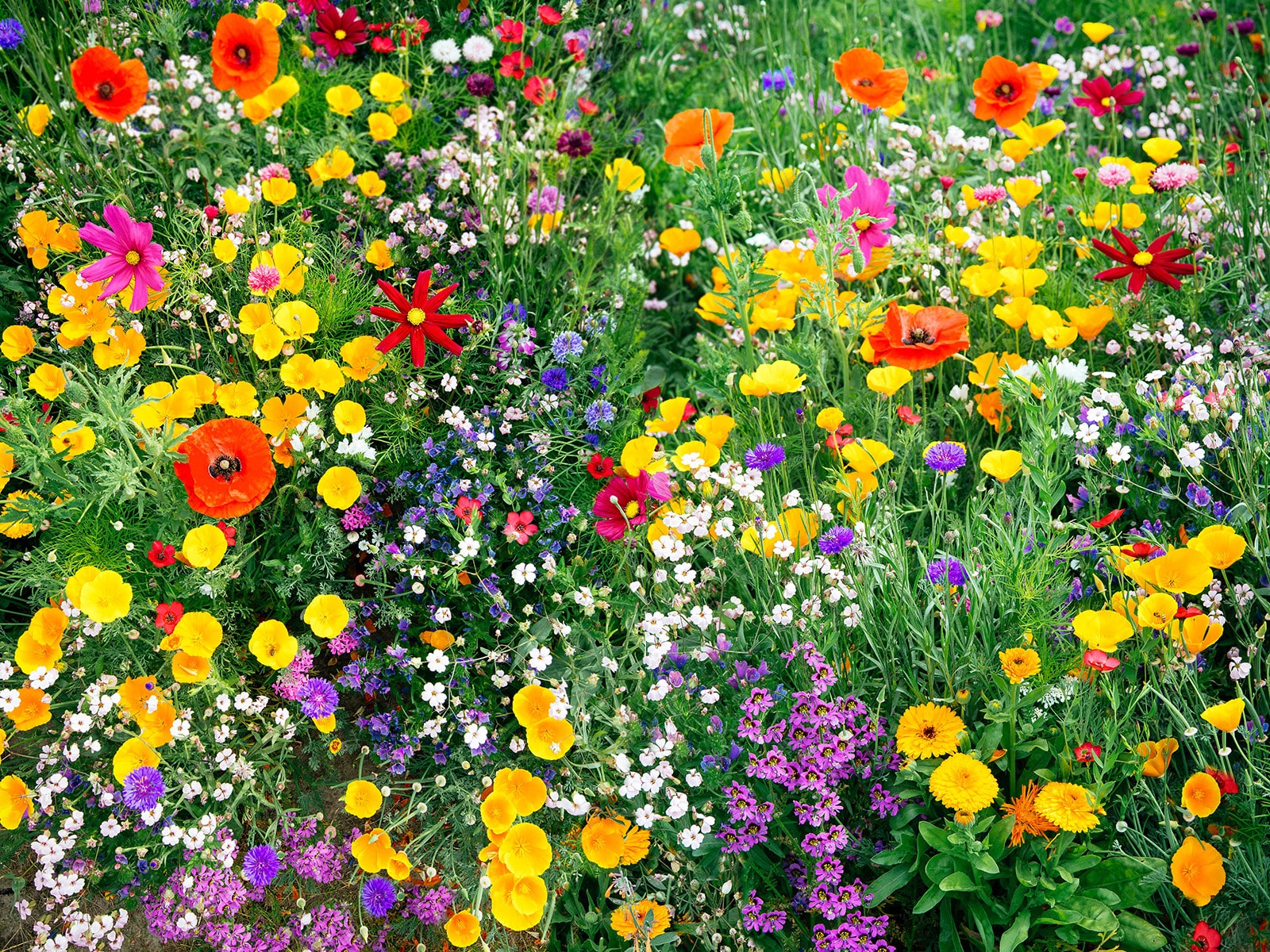
Direct sowing wildflower seeds in autumn mimics their natural behavior. If you think about it, this is the time of year they start to fade and drop their seeds in the soil.
Some seeds take advantage of the residual summer warmth in the soil to germinate and anchor their roots before the ground freezes. Others use the moderate temperatures of autumn to establish themselves before winter dormancy, while seeds that require vernalization simply nestle in through winter until conditions are just right for germination.
This is one of my favorite ways to fill in bare spots in the garden where I want to bring in some color with little effort and low maintenance—no need to start seeds indoors or transplant seedlings. Just toss a few handfuls of seeds over the soil!
The best flowers to sow in fall:
- Black-eyed Susans
- Blanket flowers
- Butterfly weed
- Coneflowers
- Cornflowers
- Lupine
- Nigella
- Poppies
- Yarrow
I particularly like wildflower seed mixes that are adapted to my climate. Sow them once, and they’ll reseed year after year.
Where to buy
Pansies and violas
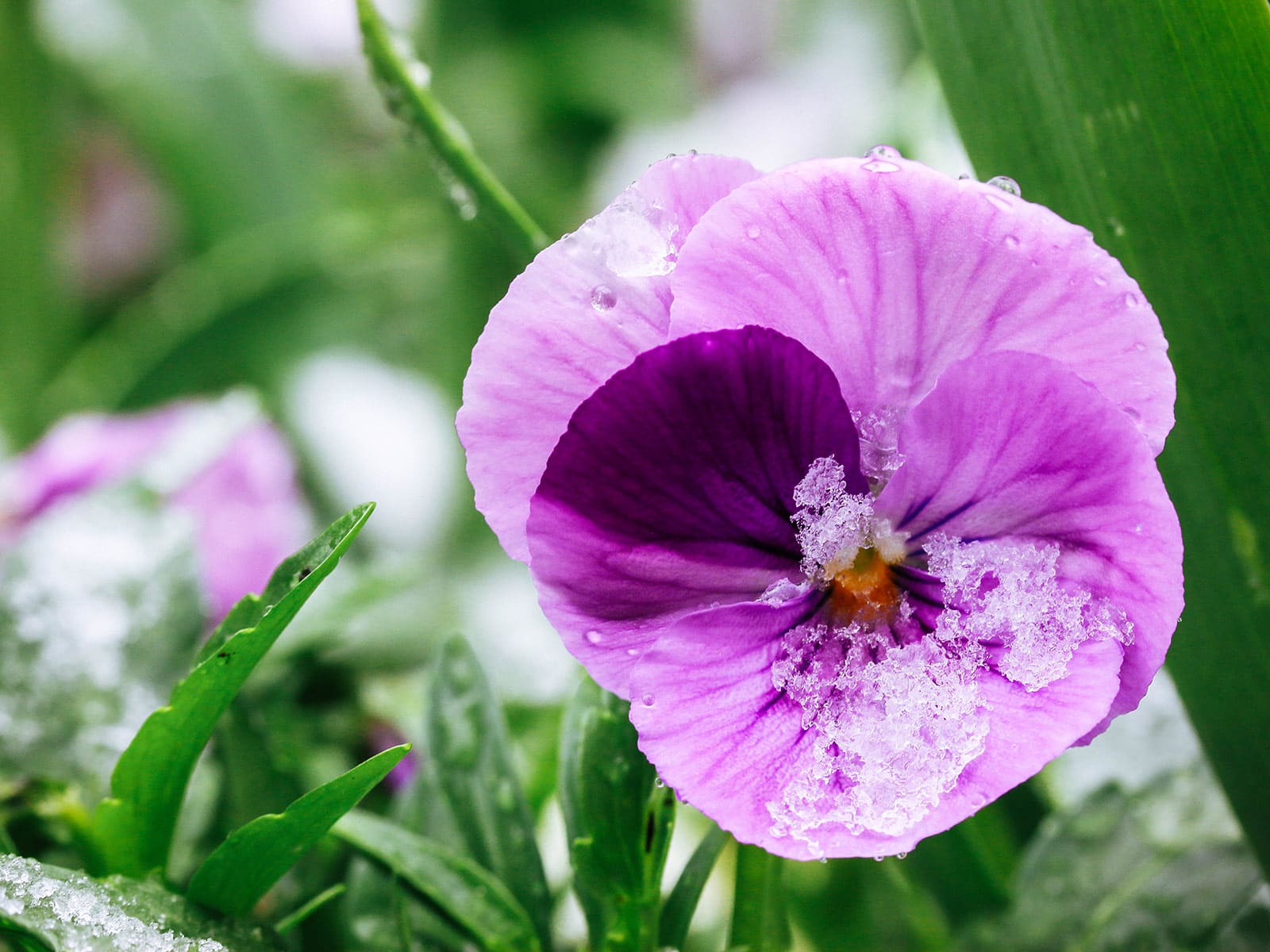
Pansies (and their smaller cousins, violas) are short-lived perennials that thrive in cooler weather but benefit from the warmer soil in fall. They’re very cold-hardy, with some varieties surviving down to zone 3 (especially if there’s snow cover to help insulate the roots).
Winter pansies (also known as ice pansies) are especially hardy. In mild climates, seedlings can be planted as late as October or November for continuous flowering all winter and into spring.
In cold climates, pansies begin blooming in fall but may take a break over winter once a hard freeze sends them into dormancy. They should resume blooming once temperatures warm up again in spring—just be sure to add a thick layer of mulch to protect the small plants from frost heaving.
Because pansies and violas don’t bloom as prolifically on either end of the weather spectrum (very cold or very hot), I like to space my plants a bit closer together for a denser pop of color.
Where to buy
Ornamental and edible perennials
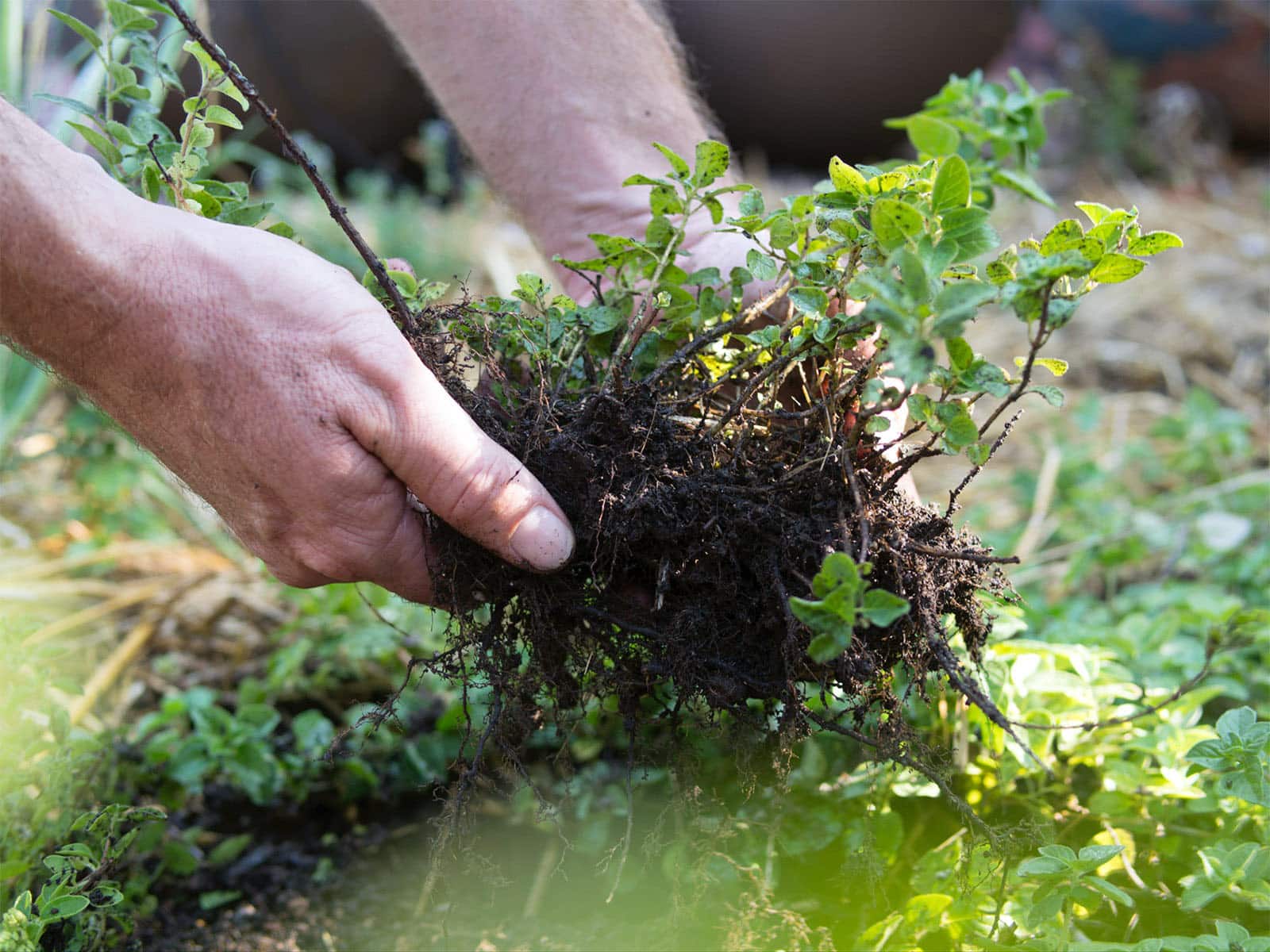
Besides bulbs and pansies, many other perennials can be planted in fall to give your garden a head start in spring. This includes flowers, groundcovers, vining plants, vegetables, and herbs. The warmer soil will speed up root development while the cooler air will take the stress off seedlings and young plants.
Depending on your climate, perennials may go dormant in winter or even die back completely. But as long as they’re well mulched and given enough water before the ground freezes, they’ll re-emerge in spring.
Early fall is also a good time of year to divide and replant your existing perennials, such as hostas, daylilies, coneflowers, astilbes, artichokes, rhubarb, chives, and mint.
If you’re unsure where to start, check out these guides on my favorite evergreen groundcovers, the best perennial herbs, the hardiest herbs that will grow all winter, and vegetable crops that come back every year.
Where to buy
Trees and shrubs
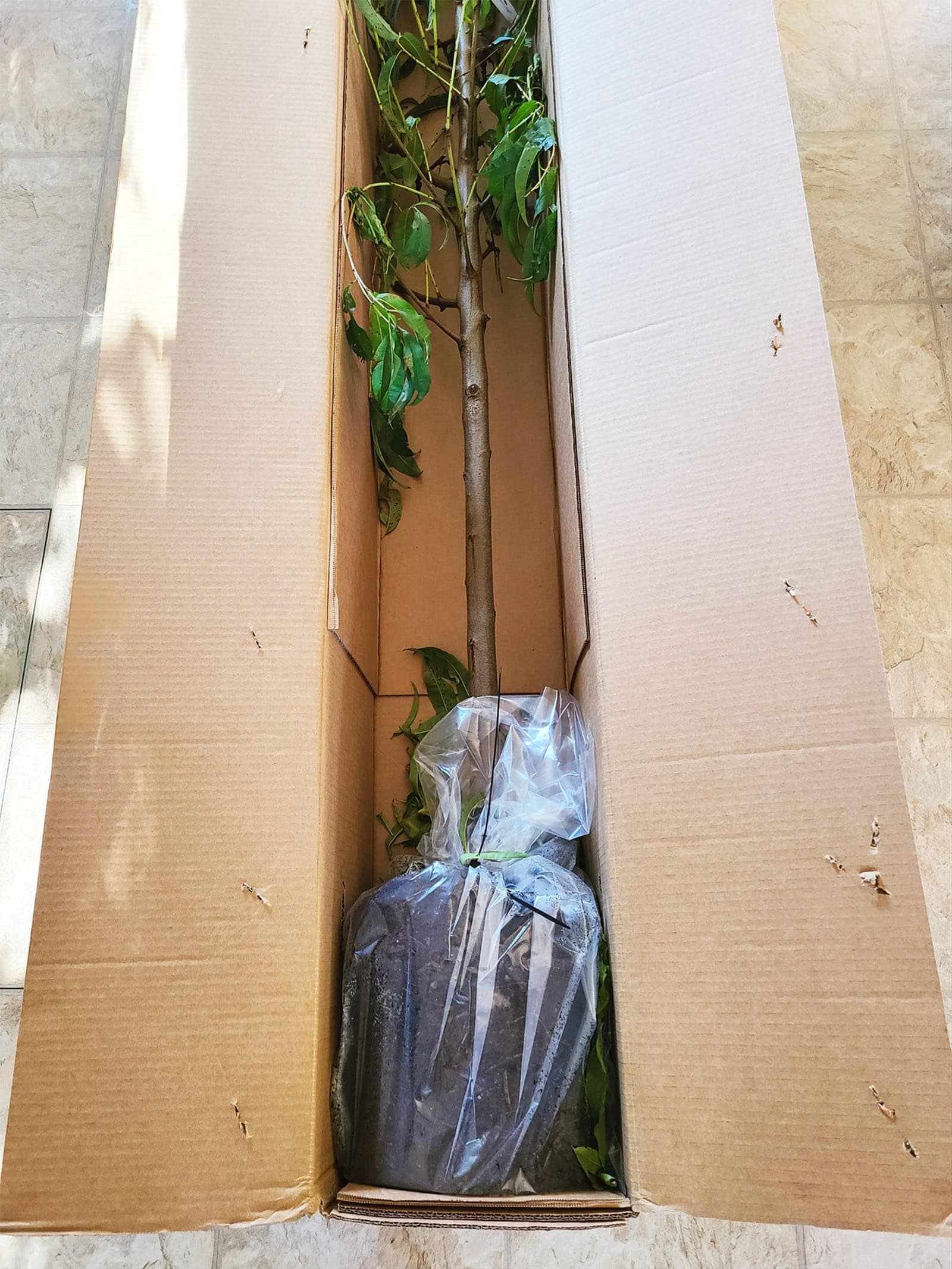
If you’ve read this piece on why it’s better to plant trees in autumn, you know I love to take advantage of the milder weather to add a few new trees and shrubs to my landscape.
My general rule of thumb is this: If similar trees in the neighborhood still have leaves on them, it’s a good time to plant. Your tree will start to develop new roots as long as the soil is above 45°F (a temperature range that can easily be maintained through part of winter with a few inches of mulch on top). I use this simple soil thermometer to check.
Planting in autumn, when the days are cooler and shorter, helps your trees and shrubs focus on growing strong roots, rather than growing new leaves. The brisk weather also keeps moisture in the soil longer, so there’s less pressure on you to water (although it’s important that your new plantings get consistent water—either from irrigation or from rain—every week, right up until the ground freezes solid).
Where to buy
What to plant in fall for a spring harvest

Fall planting isn’t just for ornamental landscapes. Many vegetable crops are hardy enough to overwinter in zones 6 and up (while those grown in zones 4 to 5 can survive under simple low tunnels covered with frost cloth).
Related: A rundown on different types of fabric and plastic row covers for your garden
In fall, you can plant garlic and shallots, overwintering onions (including perennial potato onions and Egyptian walking onions), spinach and mache, and edible cover crops for beds you plan to put to “sleep” (including my favorite nitrogen fixers, Austrian winter peas and bell beans).
I have an entire post dedicated to winter-hardy crops you can grow without a greenhouse, and you might be surprised by just how much cold those plants can handle! All of them will have the best chance of overwintering if their roots are established while the soil’s still warm, so don’t wait too long (else you’ll run into another hurdle when daylength drops below 10 hours a day and growth slows significantly).
Where to buy
Once spring rolls around, your fall-planted vegetables, bulbs, trees, shrubs, and other perennials will already be acclimated with active root systems in place, and they’ll begin growing again as soon as the ground thaws out.
This post updated from an article that originally appeared on August 26, 2024.