I know I’m not the only person who’s been surprised by the first frost in the garden, even though I watch the weather like I’m a freakin’ meteorologist. (Chalk that up to living in a very tricky climate in Central Oregon, where a warm afternoon is no guarantee of a warm night.)
It starts with the feeling that something is different in the air. The mornings get crisp, the evenings get chilly, the days get shorter, and the plants slow way down. You just know the first frost isn’t far off.
But even if it’s weeks away, it’s never too early to start prepping for (and, okay, maybe worrying about) that first frosty night. The same night that—if I’m being honest—has sent me running to the garden at 10 pm with a headlamp to cover my tomatoes.
Hopefully that won’t be you. I’ve put together the seven things I do in early fall once that first frost warning shows up on the forecast (so you’re never caught off guard when it hits).
Quick tip
If you don’t know when frost is expected in your area, use my interactive frost date lookup tool. It gives you the average first frost date for your exact location, not your USDA hardiness zone. (Zones only tell you how cold your winters get on average, not when the cold arrives, so they’re a far less accurate way to plan around frost.)
7 things to do in your garden before the first frost
Top off fruiting crops about three weeks before the first frost
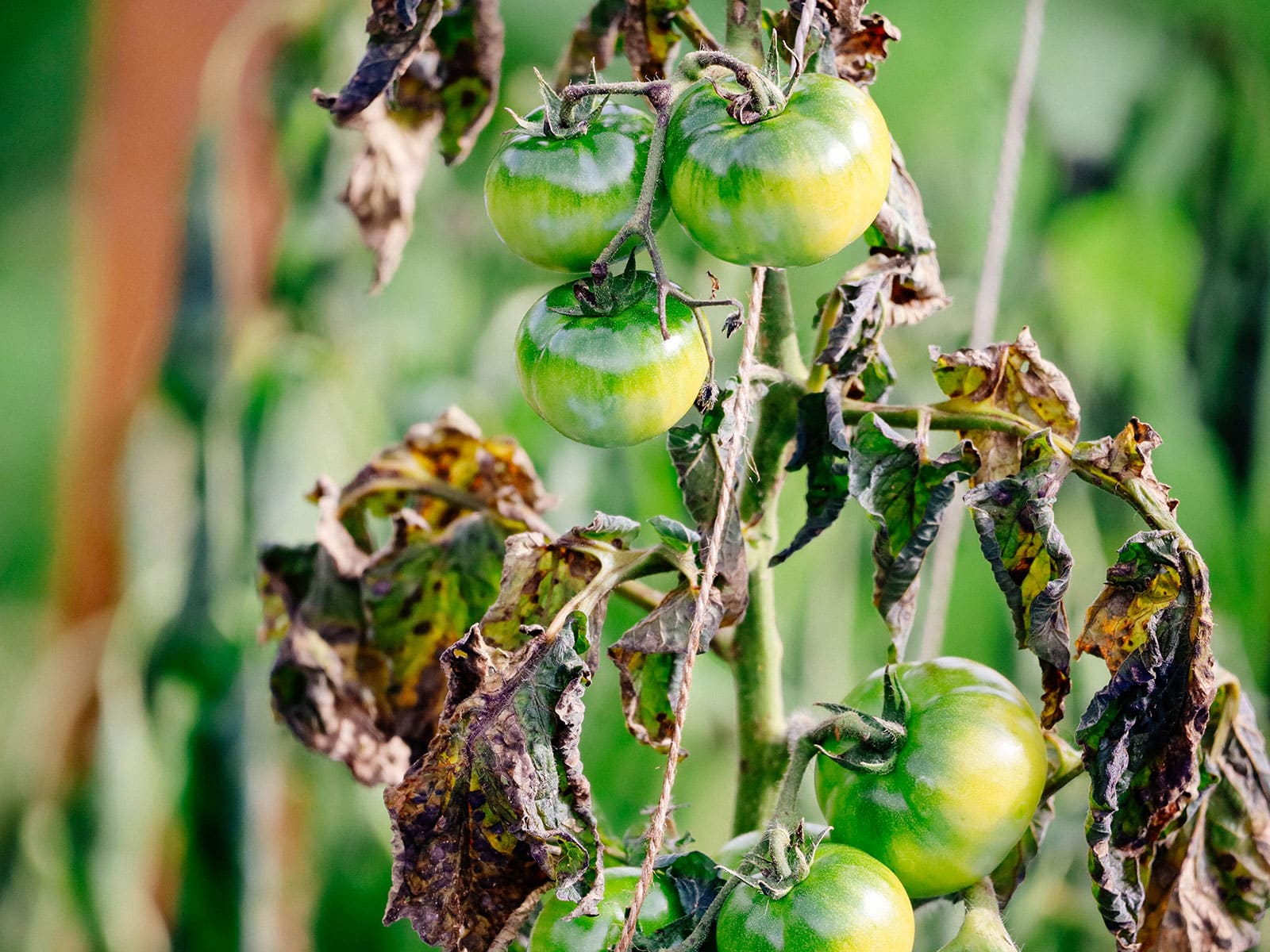
Any tomato that sets fruit in late September is a hopeful tomato. It won’t ripen before the cold shuts the plant down, but the plant will happily keep pouring energy into it anyway (along with every new flower, sucker, and shoot it can push out).
That’s where topping comes in. About three weeks before your average first frost date, stop letting the plant grow and start making it finish.

To top tomatoes:
- Cut off the growing tips: Snip the top of each main stem just above a leaf node, so the plant stops getting taller.
- Pinch off every flower and flower bud: Anything blooming now won’t have time to become ripe fruit.
- Remove the smallest green fruits: Keep the ones that are full-sized or close to it, since those are the ones that can still ripen on the vine.
- Strip suckers and some lower leaves: This opens up airflow, lets more sun (warmth) reach the remaining fruit, and tells your plant to focus more on ripening and less on growing new leaves.
(You can read more about how I prune tomatoes throughout the season, including at the end when I give it this final cut.)
Indeterminate varieties (the ones that keep growing until frost terminates them) benefit the most. Determinate tomatoes are already programmed to set their fruit all at once, so they need less help—just clear out the late flowers.
To top cucumbers:
- Pinch the tips of the main vines and side shoots: This stops new growth and redirects energy to fruit already on the plant.
- Remove new flowers and tiny cukes: Anything smaller than your pinky won’t size up in cool weather.
The same logic works for peppers, eggplants, melons, and winter squash. Pull the late flowers and the fruit that’s too small to make it, and the plant sends everything it has into what’s left.
Harvest cold-sensitive plants
Once a frost warning is on the forecast, pick anything that won’t survive a night near 32°F. Frost damage on these crops ranges from blackened leaves to mushy, water-soaked fruit that rots within days, so it’s better to bring them in early than lose them overnight.

Vegetables to harvest before frost:
- Tomatoes: Pick any fruit showing a blush of color (it’ll finish ripening on the counter), and any full-sized green ones for frying, pickling, or ripening indoors.
- Peppers and eggplants: Harvest everything, even the underripe ones.
- Cucumbers, zucchini, and summer squash: Pick every usable fruit.
- Winter squash and pumpkins: Harvest with 2 to 3 inches of stem attached and let them cure before storing.
- Beans, corn, okra, and melons: These are done at the first frost, so take what you can.
- Sweet potatoes: Dig them before frost kills the vines, since cold soil can damage the roots.
Herbs to harvest before frost:
- Basil: The most frost-tender herb in the garden (it sulks at 40°F and turns black at 32°F), so harvest the whole plant and make pesto (or preserve it to use later).
- Lemongrass, lemon verbena, and stevia: Cut and dry or freeze what you can.
- Cilantro and dill: These handle light frost better, but grab the seeds if they’ve gone to flower.
Flowers to harvest before frost:
- Zinnias, cosmos, and sunflowers: Cut a last round of bouquets.
- Nasturtiums: Pick the flowers and leaves (for nasturtium pesto) and any green seed pods (they make excellent “poor man’s capers”).
- Dahlias: Cut the blooms now, but leave the tubers in the ground until a frost blackens the foliage, then dig and store them.
Frost-hardy crops like kale, collards, Brussels sprouts, carrots, parsnips, and leeks can stay put. A light frost converts some of their starches to sugars, and they taste sweeter for it.
Subscribe to Garden Betty
Sign up to get my free weekly emails and I’ll teach you how to keep your plants alive, maximize your garden bounty, and preserve the harvest.
Pot up your favorite herbs to overwinter indoors
Not every herb has to die with the season. Some perennial and tender herbs will keep going on a sunny windowsill, giving you fresh sprigs all winter long.
Good candidates for potting up include rosemary, thyme, oregano, chives, and parsley. Dig up a healthy clump (or take cuttings from larger, woody plants like rosemary), plant it in a container with drainage holes and fresh potting mix, and trim back about a third of the growth to reduce stress while the roots settle in.

Before anything comes inside, check the undersides of the leaves for aphids, spider mites, and whiteflies, and give the plants a good rinse with the hose. Then leave the pots outdoors in a sheltered spot for a week or so before moving them in, so the change in light isn’t a total shock.
Quick tip
Basil is a tough one to overwinter from a garden plant, since it tends to decline as the days get shorter. In my experience, you’ll have better luck rooting a few cuttings in a glass of water and potting those up instead.
Get the frost cloth ready
Frost cloth (also called floating row cover) is the single most useful thing to have on hand the night a frost warning hits. It’s a lightweight, breathable fabric that traps the heat radiating up from the soil, creating a pocket of warmer air around your plants.
Row covers come in different weights, and heavier fabric holds more heat. As a rough guide, a lightweight cover (around 0.5 ounce per square yard) gives a few degrees of protection, while a heavier cover (around 1.5 ounces per square yard) can buy you up to 6 to 8 degrees. The trade-off is that heavier fabric lets through less light, so it works best for overnight protection rather than as a cover you leave on for weeks.
Related: How to choose the proper type and weight of row cover for your garden
A few tips that make frost cloth more effective:
- Drape it all the way to the ground: The heat comes from the soil, so a cover that stops mid-plant lets it escape.
- Secure the edges: Use spring clamps, landscape pins, rocks, bricks, or boards so the wind doesn’t lift it off at 3 am.
- Keep it off tender leaves if you can: Wire, metal, or PVC hoops (low tunnels) create an air gap and prevent frost from forming where the fabric touches foliage.
- Uncover in the morning once temperatures rise above freezing, so the plants get more light and you can keep harvesting.

Don’t have frost cloth? Old bedsheets, tablecloths, and even shower curtains work in a pinch. Just avoid putting plastic sheeting directly on your plants, since it conducts cold right through to the leaves (and heats up very quickly on a sunny day).
The key word here is ready. If you don’t already have low tunnels, install them in your bed before you actually need them. Take your row cover out of storage, inspect it, and buy a new one if necessary. Clip or clamp your row cover to the top of the frame so it only takes a few minutes to cover your bed if you have to do it at night. This way, you’re not fishing around for clips or finding out last year’s row cover has a big hole in it.
Disclosure: If you shop from my article or make a purchase through one of my links, I may receive commissions on some of the products I recommend.
Where to buy
Add or refresh your mulch (or better yet, plant a cover crop)
A layer of mulch works like a blanket for your soil. It slows down heat loss on cold nights, evens out temperature swings, and protects the roots of perennials, garlic, and overwintering crops from repeated freezing and thawing.
Spread 3 to 4 inches of straw, shredded leaves, or wood chips around perennials and over any beds you’re keeping in production. (Fall is the easiest time to stock up on shredded leaves, since your neighbors are practically giving them away.)
If you have beds you’re putting to rest for the winter, consider planting a cover crop instead. Cover crops like bell beans, Austrian winter peas (aka field peas), hairy vetch, and winter rye protect the soil from erosion, suppress weeds, and add organic matter when you turn them under in spring. Legume cover crops also fix nitrogen, so you’re feeding next year’s garden while this year’s is sleeping.

Try not to wait too long to plant though. Cover crops need a few weeks of growth to establish while the soil is still warm, so sow them as early in fall as you can, ideally right after you clear out your summer crops.
Subscribe to Garden Betty
Sign up to get my free weekly emails and I’ll teach you how to keep your plants alive, maximize your garden bounty, and preserve the harvest.
Water your garden beds the day before a freeze
This one sounds backward, but it works: Moist soil protects plants from frost better than dry soil.
Wet soil absorbs and stores more heat from the sun during the day than dry soil does, and it conducts that heat up to the surface more efficiently at night. As that stored heat radiates upward, it keeps the air right around your plants a little warmer. Pair it with frost cloth to trap that heat, and you’ve got a surprisingly effective setup.

Water deeply in the morning or early afternoon the day before a freeze is forecast, so the soil has all day to soak up the sun’s warmth. Avoid watering in the evening, when wet leaves can make frost damage worse.
Start acclimating potted tropical plants and citrus trees you need to bring indoors
If you have potted citrus, hibiscus, monstera, or other tropicals summering outside, don’t wait for the frost warning to move them in. Many tropical plants start to suffer when nights drop into the 40s (Fahrenheit), well before frost is ever in the picture.
Plants that go straight from full sun to a dim living room often respond by dropping leaves in protest. To help them acclimate to life indoors, ease the transition over a week or two:
- Move the pots into partial shade, then full shade, so they adjust to lower light.
- Inspect every plant for pests, paying close attention to the undersides of leaves and where stems meet branches.
- Rinse the foliage with a hose (and treat with insecticidal soap if you find any unwanted hitchhikers).
- Bring them indoors to the brightest spot you have, ideally a south-facing window or under a grow light.

Don’t be alarmed if you see some leaf drop, even if you do everything right. It’s normal, and most plants push out new leaves once they settle into their new indoor home.
The first frost vs. the first freeze
People use “frost” and “freeze” interchangeably, but despite being just a few degrees apart, frost vs. freeze can make all the difference between your plants making it… or not.

Frost is ice crystals that form on surfaces (leaves, grass, your windshield) when they cool below freezing, even if the air a few feet up is still slightly above it. That’s why you can wake up to a frosty lawn when the forecast low was 35°F. On clear, calm nights, the ground and everything close to it lose heat fast, so plants at soil level get colder than the thermometer on your porch.
A freeze is when the air temperature itself drops to 32°F or below. Frost may or may not form (it depends on humidity), but the plant tissue itself is at risk, because the water inside the cells can freeze and rupture them.
The National Weather Service uses three thresholds to tell you which one is coming:
|
Alert |
Forecast low |
What it means for your garden |
|---|---|---|
|
Frost advisory |
33°F to 36°F |
Tender plants like basil, tomatoes, and peppers can be damaged, especially low to the ground. Cover them. |
|
Freeze warning |
32°F or below |
Most warm-season crops will die off without protection. Harvest or cover everything tender. |
|
Hard freeze |
28°F or below |
The growing season is over for warm-season crops, even under frost cloth. Only cold-hardy crops survive. |
Exact thresholds vary a bit between local NWS offices, and microclimates can influence what actually gets frost in your garden. For example, do your raised beds sit in a low spot in the yard? Are your plants growing in the open or nestled against the side of your house?
Here’s what I’ve learned over the years: A frost advisory is a cue to grab the frost cloth, while a freeze warning (especially one calling for the upper 20s Fahrenheit) means it’s time to harvest everything tender, because covers alone may not save it.
So check your first frost date, top off your tomatoes, get your row covers ready, and water those beds before the cold rolls in. Your 10 pm self will thank you.